

In the high-stakes world of global supply chains, a multi-modal logistics hub is far more than just a warehouse. It is a complex ecosystem where air, sea, and land transportation networks converge. These facilities operate on a 24/7 rhythm, serving as the critical hand-off points where cargo transfers from a cargo jet to a semi-truck, or from a barge to a rail car. The sheer scale of operations involves a dizzying array of machinery, infrastructure, and human capital.
For facility managers, the challenge is distinct. You aren’t just managing a building; you are managing a synchronized machine. A failure in one sector ripples outward, causing delays that can be measured in millions of dollars. If a crane halts on the docks, the trucks waiting to load are stalled, the warehouse fills beyond capacity, and the downstream delivery commitments are broken. The cost of reactivity in this environment is simply too high to bear. “Run-to-failure” is not a management strategy; it is a liability.
The most successful logistics hubs operate on a philosophy of aggressive, predictive maintenance. They don’t wait for the breakdown. They anticipate the wear and tear inherent in heavy industrial use and counteract it before it stops operations. This guide provides a comprehensive, segmented approach to maintaining a multi-modal facility. We will break down the massive scope of responsibility into actionable zones, ensuring that every asset—from the massive gates on the airstrip to the coffee machine in the breakroom—is accounted for, operational, and safe.
Securing Critical Aviation Access Points
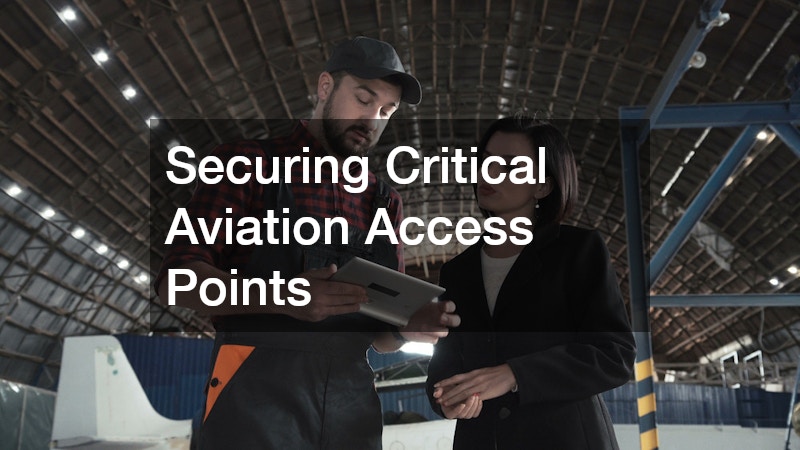
For hubs that integrate air cargo, the interface between the tarmac and the facility is the most critical chokepoint. The structures here are massive, subjected to extreme wind loads, jet blast, and constant cycling. The primary focus here must be on the reliability of access. In aviation logistics, schedules are tight. A cargo plane has a specific slot for takeoff; if it misses that window because the cargo cannot be moved out of the hangar, the financial penalties are severe.
Zero-Tolerance for Mechanical Drag
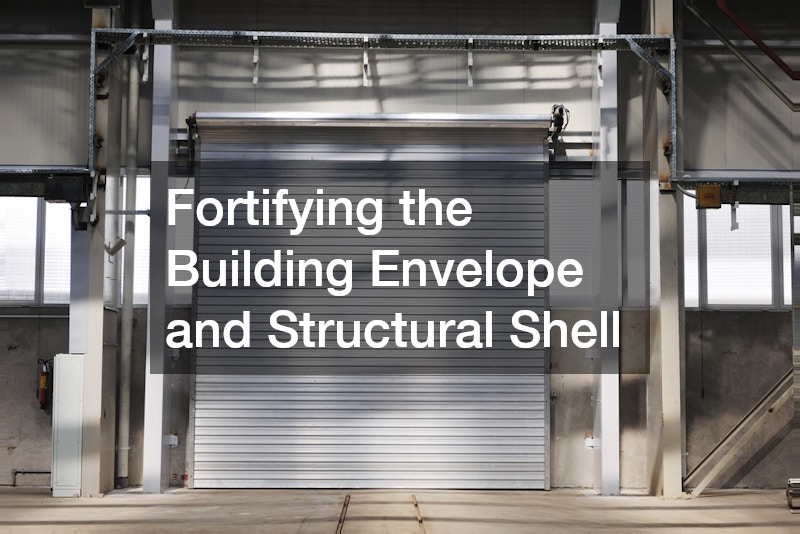
The massive doors required to accommodate aircraft are engineering marvels, often weighing several tons. Because of their size, even a minor misalignment in the track or a small failure in a motor can render them immovable. Facility managers must establish a zero-tolerance policy for mechanical drag or hesitation.
- Track and Roller Inspection: The tracks for these massive doors accumulate debris rapidly—everything from windblown sand to rubber from tires. A weekly inspection schedule should be implemented to clean tracks and check rollers for flat spots.
- Sensor Calibration: Safety sensors are mandatory, but they are also prone to drifting out of alignment due to vibration. A door that “thinks” there is an obstruction when there isn’t is just as bad as a broken motor.
- Lubrication Protocols: The sheer surface area of the moving parts requires specialized lubricants that can withstand temperature extremes without becoming viscous and attracting grit.
It is vital to recognize that these aren’t standard garage doors. The complexity of the counterweight systems and the tension on the cables mean that general maintenance staff should only perform cleaning and visual checks. For tension adjustments and motor work, a rigorous schedule of hangar door maintenance ensures that the structural alignment remains true, preventing the catastrophic jams that can ground an entire fleet’s logistics operation.
Perimeter Security and Lighting
Beyond the doors themselves, the access points to the airfield must be secure and well-lit. The FAA and other regulatory bodies have strict requirements for lighting on structures near active taxiways.
- Obstruction Lighting: Ensure all red obstruction lights on the top of the hangar are functional. These should be checked daily at dusk.
- Apron Floodlights: High-intensity discharge lamps or LEDs used to light the loading apron must be kept clean. A layer of grime can reduce light output by 30%, creating safety hazards for ground crews working around moving aircraft.

Managing Heavy Lift and Marine Propulsion Systems
If your hub touches the water or handles intermodal containers, you are dealing with the heavyweights of the industry. The equipment here—cranes, hoists, and marine vessels—operates in some of the harshest environments imaginable. Salt air, high humidity, and constant heavy loads degrade metal and hydraulic systems at an accelerated rate.
Vertical Logistics: The Crane Ecosystem
The gantry cranes and ship-to-shore lifters are the heartbeat of the waterfront. When they stop, the port stops. The maintenance strategy here must shift from “visual inspection” to “non-destructive testing.” Metal fatigue is invisible to the naked eye until it cracks.
- Wire Rope Integrity: The cables doing the lifting are life-safety items. A strict log must be kept detailing the number of lifts and total weight. Cables should be replaced based on cycles, not just when they show fraying.
- Structural Audits: Rust is the enemy. Regular audits must look for corrosion in the high-stress joints of the crane structure. Remediation involves more than painting over the rust; it requires blasting and treating the metal.
Because of the specialized nature of these machines and the liability involved in a dropped container, facility managers should not rely on general technicians. Partnering with certified crane contractors ensures that the technicians working on your equipment understand the specific load charts, wind ratings, and structural dynamics of your specific port infrastructure.
Marine Asset Reliability
For hubs that utilize barges for shallow-water transport, the propulsion systems are often the weak link. These vessels operate in silty, debris-filled water, which wreaks havoc on cooling systems and propellers.
- Cooling Intake Systems: The raw water intakes for barge motors are prone to clogging. A daily back-flush protocol can save the engine from overheating.
- Hydraulic Systems: Steering and deck machinery on barges are heavily reliant on hydraulics. In a marine environment, water ingress into the hydraulic fluid is common. Regular oil analysis is non-negotiable to detect water contamination before it destroys the pumps.
When a tug or transport vessel fails, it can block a channel or leave cargo stranded mid-stream. Keeping a specialist on retainer for hydraulic barge motor repair is essential. These specialists can diagnose pressure drops and fluid contamination issues that general mechanics might miss, ensuring that the marine leg of your supply chain remains unbroken.

Optimizing Ground Fleet and Vehicle Safety
Once cargo hits the ground, it is moved by a swarm of smaller vehicles. This fleet is often split into two categories: the indoor material handling equipment (forklifts, pallet jacks) and the outdoor transport fleet (yard trucks, perimeter security vehicles). Each requires a distinct maintenance philosophy.
Indoor Material Handling: The Forklift Fleet
In the warehouse, the forklift is king. These machines are subjected to rapid start-stop cycles, heavy lifting, and tight maneuvering. The maintenance focus here must be on the power plant and the hydraulic lifting mechanisms.
- Battery Management (Electric Fleets): For electric fleets, battery watering and equalizing schedules are critical. A poorly maintained battery can cut a shift short by hours.
- Hydraulic Integrity: The lifting cylinders are under constant pressure. Even a “weeping” seal is a sign of impending failure. It introduces air into the system, making the lift jerky and unsafe.
- Tire Health: Warehouse floors are unforgiving. Cushion tires can chunk out, causing stability issues.
Cost control is a major factor here. It is a known industry metric that forklift repair costs spike significantly when minor fluid leaks or worn hoses are ignored. A small leak contaminates the braking system or causes the pump to cavitate, turning a fifty-dollar hose replacement into a two-thousand-dollar pump rebuild.
Outdoor Fleet: Visibility and Safety Compliance
The vehicles that operate outside—shunting trailers or patrolling the perimeter—face road debris, gravel, and weather. While engine maintenance is obvious, the integrity of the cabin and visibility are often overlooked until it becomes a safety violation.
- Glass and Visibility: These vehicles often follow other trucks closely on gravel aprons. The resulting stone chips are common. However, a crack in the driver’s line of sight is an OSHA violation and a significant safety risk during night operations.
- Lighting and Signaling: Turn signals, brake lights, and reverse beepers must be checked daily. In a noisy logistics yard, visual and auditory warnings are the only things preventing collisions.
Facilities should implement a “check-out/check-in” system where drivers mark defects on a tablet. This includes noting glass damage immediately. Ignoring a small chip can compromise the structural integrity of the cab and driver safety, making proactive windshield repair a mandatory part of the monthly fleet audit rather than an afterthought.
Fortifying the Building Envelope and Structural Shell
The building itself is the first line of defense for the inventory it houses. Whether you are storing pharmaceuticals, electronics, or raw materials, water intrusion and thermal bridging are enemies that must be fought at the structural level.
The Roof: The Most Critical Asset
In a logistics hub, the roof covers acres of space. It is a massive catchment area for rain and snow. A failure here is catastrophic because it directly damages the revenue-generating inventory below.
- Drainage Systems: With such a large surface area, the volume of water moving through gutters and downspouts during a storm is immense. These must be cleared of debris quarterly. A blocked drain can cause water to pool, leading to structural collapse or severe leaks.
- Penetration inspections: Every vent, skylight, and HVAC unit poking through the roof is a potential leak point. The flashing around these penetrations degrades faster than the roof membrane itself.
Water intrusion is the silent killer of logistics inventory. It can cause mold that ruins packaging and corrodes electronics. Maintaining a relationship with a certified roofing contractor for bi-annual inspections—specifically before the rainy season and after winter—can save millions in water-damaged goods and halted operations.
Structural Modifications and Loading Docks
Logistics is a dynamic industry. Hubs are constantly expanding, adding new loading bays or reinforcing floors for heavier racks.
- Concrete Aprons: The concrete outside the loading docks takes a beating from the landing gear of semi-trailers. Cracks and spalling here can damage truck tires and cause tripping hazards.
- Dock Levelers: The metal plates that bridge the gap between the building and the truck are structural components. Their hinges and welds must be inspected for fatigue.
When it comes time to expand or heavily modify the facility, such as knocking out a wall for a new conveyor system, the regulatory landscape gets tricky. For these capital improvements, you need a dedicated commercial contractor who understands the zoning, fire codes, and permit requirements of multi-modal industrial parks. They ensure that your physical expansion doesn’t run afoul of local ordinances.
Regulating Internal Climate and Air Quality
Modern logistics is increasingly concerned with “cold chain” integrity and air quality. Even for non-perishable goods, maintaining a stable temperature and humidity level is vital for the longevity of packaging and the comfort of the workforce.
Ventilation and Cooling
In massive warehouses, air stratification is a major issue. Hot air rises, leaving the floor cold in winter, or heat gets trapped at the working level in summer.
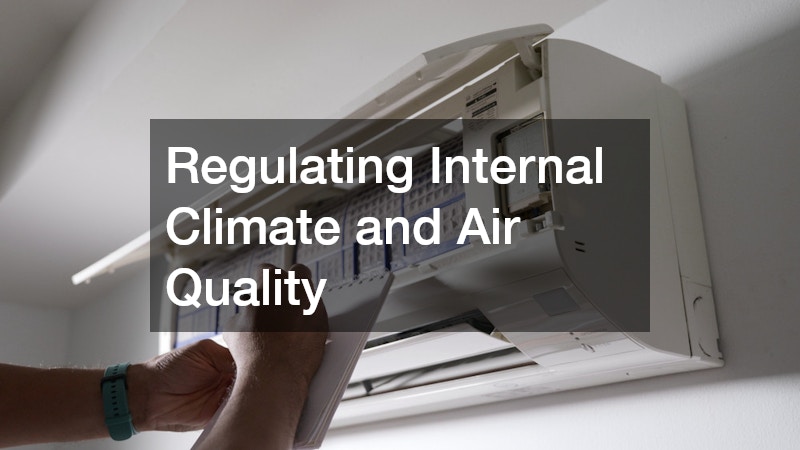
- Air Turnover Rates: You aren’t just cooling air; you are moving it. High-volume, low-speed (HVLS) fans need regular torque checks on their mounts.
- Filtration: In industrial zones, dust is everywhere. Clogged filters restrict airflow, forcing the HVAC units to work double-time, which skyrockets energy bills and burns out compressor motors.
- Condensate Lines: In humid climates, AC units pull gallons of water out of the air. If the condensate lines clog with algae, that water backs up and leaks into the facility.
Many managers wait until the warehouse is hot before calling for service. This is a mistake. Emergency HVAC repairs are often three times more expensive than scheduled maintenance. Furthermore, waiting for a breakdown usually happens during a heatwave when parts are scarce, risking the integrity of temperature-sensitive cargo.
Heating Systems and Safety
In colder climates, heating is a safety issue. If the loading dock is freezing, ice forms on the floor, causing slip-and-fall accidents.
- Unit Heaters: Most warehouses use gas-fired unit heaters suspended from the ceiling. These heat exchangers must be inspected for cracks. A cracked heat exchanger leaks carbon monoxide—an odorless, deadly gas—directly into the workspace.
- Infrared Tube Heaters: These are efficient for loading docks but rely on vacuum pumps and igniters that foul easily with dust.
It is critical to have these systems vetted before the first frost. A specialized furnace contractor should check heat exchangers and flue venting to ensure that combustion gases are being safely expelled outside, preventing carbon monoxide buildup in enclosed loading zones where trucks are already producing exhaust.
Enhancing Crew Morale Through Facility Amenities
Finally, we must address the human element. A logistics hub runs on people—shift workers, drivers, pilots, and administrative staff. The amenities provided for them—breakrooms, kitchenettes, and restrooms—directly impact morale and productivity. When a facility runs 24/7, the breakroom is the only sanctuary a worker has.
The “High-Uptime” Breakroom
It is easy to dismiss a broken appliance as a minor annoyance, but to a worker on a 12-hour overnight shift, a broken coffee maker or a non-functional microwave is a significant morale killer.
- Water Filtration: Coffee machines and ice makers should have inline water filters changed every six months to prevent scale buildup and ensure the water tastes good.
- Electrical Safety: Inspect the cords and plugs of all countertop appliances. In a high-traffic kitchen, cords often get pinched or frayed, creating a fire hazard.
- Ventilation: Ensure the exhaust fans in kitchenettes and restrooms are actually pulling air. A stuffy, smelly breakroom does not allow for a restful break.
Facility managers should treat amenity uptime with the same seriousness as operational uptime. Keep a log of warranty dates and local service providers for appliance repairs. Establish a rule that if a refrigerator or microwave in the crew lounge breaks, it is serviced or replaced within 24 hours. This sends a powerful message to the workforce that their comfort and well-being are valued.
Conclusion
Managing a multi-modal logistics hub is an exercise in orchestration. It requires the ability to zoom out to see the global supply chain and zoom in to see a frayed wire on a hoist. By segmenting the facility into these actionable zones—aviation access, heavy lift, ground fleet, building envelope, climate control, and human amenities—managers can move from a state of constant firefighting to a state of strategic control.
The transition from reactive to proactive maintenance does not happen overnight. It requires investment in better tracking systems, perhaps moving from paper checklists to a digital CMMS (Computerized Maintenance Management System). It requires vetting and building relationships with the right partners before a crisis occurs. But the payoff is a facility that hums with efficiency, a safer environment for workers, and a bottom line protected from the staggering costs of unplanned downtime. Start with these checklists, audit your current status, and build a fortress of reliability around your operations.
About the Author