
Undertaking a comprehensive rebrand of your brick-and-mortar locations and mobile assets is one of the most exciting, yet daunting, milestones in the lifecycle of a physical enterprise. It signals growth, a modernization of your corporate identity, and a renewed commitment to your local market. However, it also represents a massive capital expenditure. While a digital rebrand can often be executed with a few clicks—updating hex codes on a website or uploading a new logo file to a social media profile—a physical rebrand is permanently anchored in the real world. Mistakes made in the physical realm cannot be quickly undone; they must be physically dismantled, reprinted, and reinstalled, often at a staggering cost.
The divide between digital and physical branding is vast. A color palette that looks vibrant and appealing on a backlit computer monitor can easily appear dull, washed out, or entirely different when printed on opaque vinyl and viewed under the harsh midday sun. Furthermore, physical branding is subject to the unpredictable elements of nature, the wear and tear of daily customer interactions, and the strict, often labyrinthine regulations of local municipal governments. You are not just updating an image; you are constructing physical architecture that must be safe, durable, and legally compliant.
This guide is designed to walk you through the complex reality of executing a physical rebrand. By following a logical, step-by-step progression—starting with a rigorous audit of your existing assets and legal limitations, moving through the selection of the right production partners, overhauling your primary storefront, optimizing customer flow, and finally, taking your new brand on the road—you can navigate this process with confidence. This roadmap will equip you with the actionable knowledge needed to transform your physical presence and ensure your investment yields maximum visibility and return.
Audit Your Current Visual Identity and Local Regulations
Before you spend a single dollar on new materials, you must conduct a ruthless, objective audit of your current physical presence. It is remarkably easy for business owners to become “store blind.” Because you walk through your own front doors every single day, your brain stops processing the peeling paint, the burnt-out bulbs, or the overgrown landscaping blocking your visibility. You need to view your property through the hyper-critical eyes of a first-time customer.
Start by taking a series of photographs of your building and your vehicles from every conceivable angle. Take photos from the street at the speed limit, from the pedestrian sidewalk, and from the back parking lot. More importantly, take these photos at different times of the day—at high noon when the sun creates harsh glare, at dusk, and in the middle of the night. This exercise will immediately highlight where your current visibility is failing and where your new branding efforts need to be concentrated.
As you review these photos, you must consider the reality of scaling your new artwork. A logo that features intricate, interlocking thin lines might look beautifully sophisticated on a business card, but it will become an illegible, muddy blur when blown up to be fifteen feet wide and viewed from a moving vehicle. Your business sign design must be optimized specifically for large-format physical viewing, which almost always dictates thicker fonts, higher contrast colors, and the elimination of unnecessary secondary text.
Once your artwork is optimized for scale, you must confront the hurdle of municipal red tape. Every city, county, and historic district has a unique set of zoning laws that strictly govern exterior modifications. These ordinances dictate everything from the maximum square footage of your display to how far it can protrude from the wall, the specific colors you are allowed to use, and even the brightness of your internal illumination. In many commercial leases, your landlord or property management company will also have a restrictive covenant outlining what you can and cannot alter. You must submit your architectural plans to the city and secure all necessary permits long before you ever hire a crew to tear down your old business sign. Tearing down existing architecture without a permit to install the new one can result in massive daily fines and a mandate to completely remove your newly purchased materials.
Vet and Select the Right Production Partners
The success of your physical rebrand hinges almost entirely on the capabilities and professionalism of the vendors you choose to execute the work. In the modern era, the internet is flooded with cheap, direct-to-consumer printing options. While these online portals might be perfectly adequate for ordering a stack of flyers or temporary promotional materials, they are rarely equipped to handle the structural, logistical, and legal complexities of a permanent architectural overhaul.
When you are sourcing partners for a large-scale project, you must look beyond the initial price quote.
-
Demand Physical Proofs: Never approve a massive, expensive production run based solely on a digital PDF proof sent via email. Every computer monitor is calibrated differently. You must demand physical material samples and printed color swatches (often called a “strike-off”). Take these samples outside and view them against your building in natural sunlight to ensure the brand colors match your expectations in the real world.
-
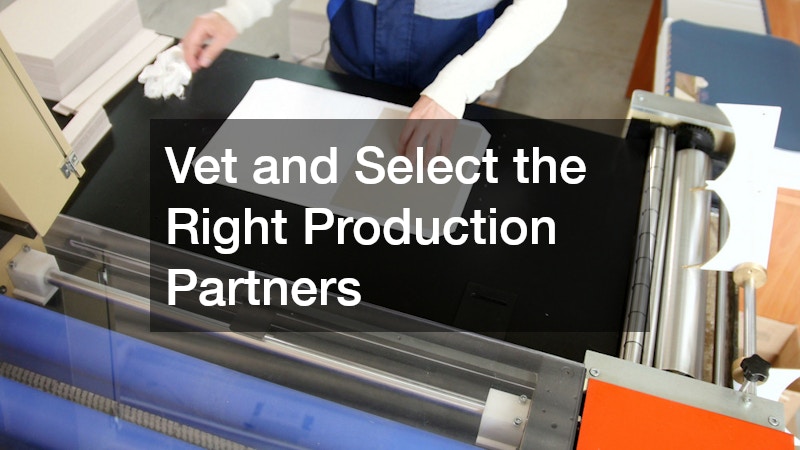
Understand Production Capabilities: Evaluate the actual machinery and facility of the vendors you are interviewing. There is a vast difference between standard sign printing companies that run roll-to-roll vinyl printers for indoor posters and large-scale fabrication facilities equipped with CNC routers, metal-bending brakes, and dedicated paint booths for creating heavy-duty outdoor architecture.
-
Prioritize Installation Expertise: The printing and fabrication process is only half the battle. The actual installation is where the highest risk of property damage and liability occurs.
You must ask detailed questions about the installation process. Will the vendor be using their own in-house, fully insured installation crews, or will they be subcontracting the labor out to a third party? The installation requires specialized knowledge of electrical wiring, weatherproof sealing to prevent structural water damage to your building, and the safe operation of heavy lifting equipment like bucket trucks or cranes. Partnering with a comprehensive, local sign company that handles the municipal permitting, structural engineering, in-house fabrication, and insured installation provides a single point of accountability, ensuring that if anything goes wrong during the transition, you are not caught in a blame game between the printer and the installer.
Upgrade Your Primary Storefront Visibility
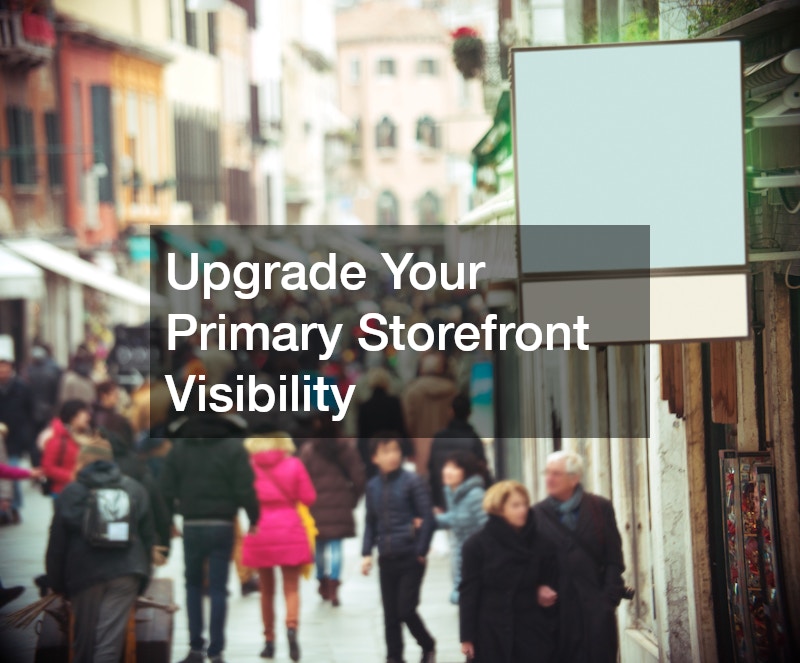
Your primary storefront display is the anchor of your physical brand identity. It is the most prominent visual element of your building and serves as a silent salesperson working around the clock to attract attention, establish your brand’s perceived value, and draw foot traffic through the front door. Upgrading this element requires a careful balance of aesthetic appeal, material durability, and strategic sizing.
One of the most critical actionable steps in designing your primary exterior branding is calculating the necessary letter height based on the speed of passing traffic. A beautiful, expensive display is entirely worthless if drivers cannot read it before they pass your building. A standard industry rule of thumb is that you need one inch of letter height for every ten feet of viewing distance to ensure maximum legibility. Therefore, if your building sits back one hundred feet from a road where the speed limit is 45 miles per hour, your primary text must be an absolute minimum of ten inches tall, though pushing it to fifteen inches or more is highly recommended for impact.
When choosing the materials for your storefront, you must align the physical texture and illumination style with your brand’s core identity.
-
Channel Letters: These are individual, 3D letters typically made of aluminum and acrylic, illuminated from the inside with LED modules. They offer a highly professional, modern look and are the standard for most retail environments.
-
Halo-Lit Letters: By pushing the illumination out the back of the letter to wash against the building’s facade, you create a sophisticated, high-end “halo” effect that is incredibly popular for boutique brands, law firms, and luxury services.
-
Architectural Materials: Utilizing carved high-density urethane (which mimics wood without rotting), brushed stainless steel, or corten steel (which intentionally rusts for an industrial look) can instantly communicate your brand’s vibe before a customer ever speaks to an employee.
If your business relies heavily on promoting weekly sales, rotating inventory, or communicating real-time information to the community, static custom signs may not provide the flexibility you need. In these instances, modernizing your messaging by integrating a high-resolution, programmable electronic sign into your exterior architecture can yield a massive return on investment. These dynamic displays allow you to capture the attention of daily commuters with bright, moving, and constantly updated messaging, effectively turning your building into a highly responsive marketing channel that adapts to your immediate business needs.
Guide Customer Flow with Secondary Graphics
While the primary exterior architecture is responsible for capturing attention from a distance and driving initial foot traffic, the customer experience does not end at the curb. The moment a potential buyer turns into your parking lot or steps onto your property, they enter a new phase of the customer journey. If this secondary environment is confusing, poorly labeled, or visually disjointed from your new brand, it instantly breeds frustration. A frustrated customer is significantly less likely to make a purchase, and they are highly unlikely to return.
To optimize this phase of the physical experience, you must physically walk your property as if you were a first-time visitor who has never seen the layout before.
-
Where is the most logical place to park?
-
Is the main entrance immediately obvious, or does it blend in with employee doors and delivery bays?
-
If you have a large facility, where are the restrooms, the customer service desks, or the different product departments?
Note any “dead zones” or intersections where a customer might hesitate or feel lost. The psychology of wayfinding dictates that people need constant, subtle reassurance that they are moving in the right direction. If they have to wander around looking for an entrance, their perception of your customer service is damaged before they even interact with your staff.
Addressing these friction points requires a strategic deployment of secondary graphics. Installing clear, highly visible directional signs in your parking lot to designate visitor parking, shipping and receiving areas, and the main lobby immediately alleviates anxiety and creates a smooth, welcoming transition from the car to the store.
Furthermore, you must proactively manage the transition period during your physical rebrand. Tearing down old architecture and installing new fixtures takes time, often leaving your building looking like a construction zone for several weeks. During this vulnerable period, you cannot allow the public to mistakenly believe your business is closed. Hanging a heavy-duty, weather-resistant vinyl banner across the front of the building or along a perimeter fence is an essential, cost-effective way to boldly announce “Pardon Our Dust: We Are Open During Renovations!” or to tease a “Grand Reopening” event, keeping foot traffic flowing and maintaining revenue while the permanent upgrades are being finalized.
Transform Your Company Vehicles into Mobile Billboards
Once you have secured and modernized your static brick-and-mortar location, the final step in a complete physical rebrand is taking that new identity on the road. If your business utilizes a fleet of delivery vans, service trucks, or even just a few sales vehicles, leaving them blank is an immense waste of advertising real estate. Mobile advertising boasts one of the lowest costs per impression of any marketing medium available, effectively turning your daily commutes, service calls, and even your parked vehicles into a 24/7 marketing campaign that reaches potential customers exactly where they live and work.
However, designing graphics for a moving object requires a fundamentally different approach than designing for a static building. You must design for an audience moving at 65 miles per hour.
-
Keep It Minimal: The most common mistake business owners make is treating their vehicle like a brochure. They list every single service they offer, three different phone numbers, their social media handles, and a paragraph of company history. No one can read that on the highway.
-
Prioritize the Hierarchy: Your design must focus on three core elements: a massive, instantly recognizable logo, one single bullet point explaining exactly what you do (e.g., “Emergency Plumbing” or “Fresh Floral Delivery”), and one highly visible call to action, usually a website URL or a memorable phone number.
Beyond the immense marketing benefits, vinyl fleet graphics offer a highly practical secondary advantage: asset protection. High-quality automotive vinyl actually shields the factory paint of your vehicles from harsh UV rays, minor rock chips, and light abrasive damage. When it is time to retire the vehicle and sell it, the vinyl can be safely removed, revealing pristine factory paint underneath, which significantly preserves the resale or trade-in value of your fleet.
When budgeting for this phase of the rebrand, you must understand your coverage options to maximize your return. If you want to establish absolute visual dominance in your market, investing in a full commercial vehicle wrap—which seamlessly covers every inch of painted metal on a box truck or transit van—creates an unavoidable, larger-than-life presence that commands attention on the road. However, if you are rebranding a larger fleet of smaller sales sedans or pickup trucks and need to keep costs manageable, a well-designed partial car wrap that strategically utilizes the doors, the rear tailgate, and the back windows can still deliver a highly professional, cohesive brand image for a fraction of the cost, ensuring your new visual identity permeates every corner of your local service area.
Conclusion
Executing a comprehensive physical rebrand is a monumental undertaking that demands meticulous planning, strategic foresight, and a significant commitment of resources. It is not a project that can be rushed or managed entirely from behind a desk. It requires you to step outside, analyze the real-world impact of your visual identity, navigate complex local regulations, and forge partnerships with highly capable fabrication and installation experts.
However, the rewards for navigating this complex process are immense. A cohesive, modernized physical presence fundamentally shifts how the public perceives your business. It builds immediate localized trust, projects an image of stability and success, and dramatically reduces the friction in the customer journey. From the moment a potential client spots your fleet on the highway to the second they walk through your clearly marked front doors, every physical touchpoint should communicate a unified standard of excellence.
As you complete this transition, remember that physical assets require ongoing attention. Your rebrand does not end on installation day. Establish a rigorous quarterly maintenance schedule to power-wash your building’s exterior, inspect your illumination systems for outages, and check your fleet graphics for peeling or damage. By fiercely protecting the integrity of your new physical investments, you ensure that your brand continues to command attention, drive foot traffic, and dominate your local market for years to come.
About the Author