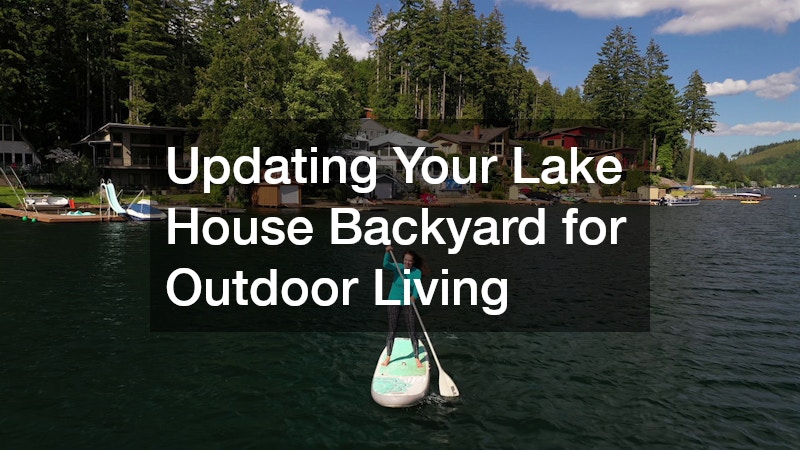
Updating a lake house backyard is about creating a space that supports relaxation, recreation, and long-term enjoyment of the water. Unlike a standard backyard, a lakefront property must balance natural features with functional upgrades that improve access, safety, and usability. Homeowners often use these outdoor spaces for entertaining, seasonal living, and storage, which means thoughtful planning is essential. Every improvement should work with the shoreline rather than against it, preserving views while making the area more practical.
Lake house backyards also experience unique wear and tear. Exposure to moisture, changing water levels, and frequent foot traffic can shorten the lifespan of poorly planned upgrades. Choosing the right materials, layouts, and construction methods helps protect the investment and reduces ongoing maintenance demands. When upgrades are designed with durability in mind, they hold up better over time and remain visually appealing across seasons.
A successful backyard update starts with understanding how the space will be used. Some homeowners prioritize easy water access, while others focus on outdoor dining, lounging, or storage for recreational equipment. Clarifying these goals early helps guide decisions and prevents costly revisions later.
Assessing Your Lakefront Backyard Layout
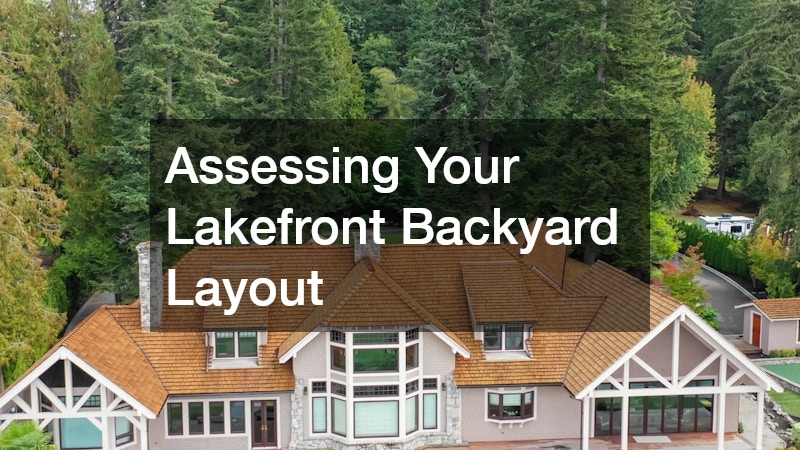
Before making upgrades, it’s important to evaluate the existing layout of the lakefront backyard. Natural slopes, shoreline conditions, and drainage patterns all influence what changes are practical. A clear understanding of these elements helps homeowners avoid designs that interfere with water flow or create erosion issues. Taking time to assess how people move through the space also reveals opportunities to improve comfort and accessibility.
The layout should support both everyday use and special gatherings. Clear sightlines to the water, defined activity zones, and logical transitions between areas help the backyard feel organized rather than cluttered. Evaluating sun exposure, wind patterns, and existing vegetation also informs placement decisions for seating, pathways, and structures. These considerations allow upgrades to feel intentional and integrated with the environment.
Working with a custom home builder during this phase can help translate ideas into realistic plans. Their experience with site conditions, structural requirements, and long-term durability supports smarter layout decisions. This guidance helps homeowners avoid missteps that could limit functionality later. A well-assessed layout provides the foundation for every other backyard improvement, making it one of the most important steps in the process.
Enhancing Water Access and Shoreline Use
Easy and safe water access is a defining feature of a well-designed lake house backyard. Homeowners often want to move seamlessly between land and water without navigating unstable banks or uneven surfaces. Improving shoreline access enhances safety for all ages and makes recreational activities more enjoyable. Clear entry points also help protect surrounding areas from excessive wear caused by repeated foot traffic.
Thoughtful shoreline use considers both convenience and preservation. Stabilized entry areas reduce erosion, while designated access paths help protect natural vegetation. The goal is to create functional access without disrupting the shoreline’s integrity. Well-planned improvements allow homeowners to enjoy swimming, boating, and lakeside relaxation with minimal impact on the environment.
Installing boat lifts can significantly improve shoreline usability by keeping watercraft accessible while protecting them from prolonged water exposure. These systems reduce congestion at the shoreline and make launching more efficient. When integrated into the overall backyard design, they enhance functionality without overwhelming the view.
Upgrading Dock and Mooring Areas
Dock and mooring areas play a central role in how a lake house backyard functions on a daily basis. These spaces support boating, swimming, fishing, and social activities, making them one of the most frequently used features of the property. An outdated or undersized dock can create safety concerns and limit how comfortably the space is used. Updating this area improves accessibility while also enhancing the overall flow between land and water.
A well-designed dock should account for water level changes, wave activity, and the types of watercraft being used. Stable surfaces, adequate width, and secure attachment points all contribute to a safer and more enjoyable experience. Layout decisions should also consider how people move between the dock and the backyard, avoiding bottlenecks or awkward transitions. When docks are designed with both function and comfort in mind, they become natural gathering points rather than purely utilitarian structures.
Partnering with experienced boat dock companies helps homeowners select designs and materials suited to their shoreline conditions. These professionals understand local regulations, load requirements, and long-term durability considerations. Their input helps prevent costly mistakes and supports smoother installation.
Designing Outdoor Living and Entertaining Spaces
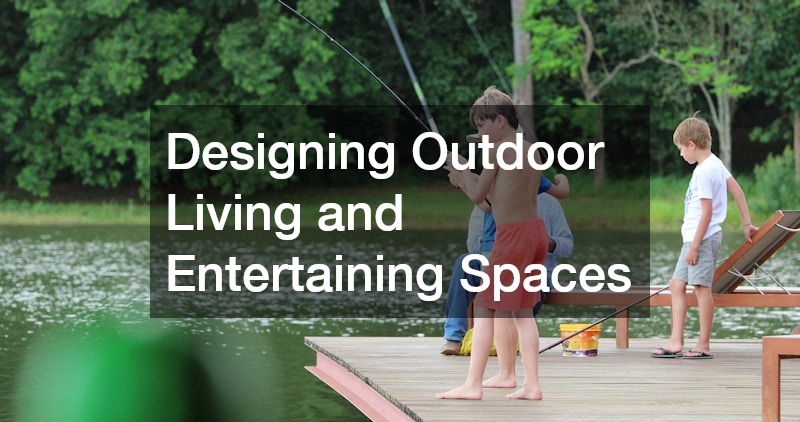
Outdoor living areas transform a lake house backyard into a true extension of the home. These spaces provide room for dining, relaxing, and hosting gatherings while taking advantage of waterfront views. Thoughtful design helps create zones that feel comfortable and inviting without overwhelming the natural setting. When planned well, outdoor living areas encourage people to spend more time outside throughout the season.
Comfort and usability are key considerations in these designs. Seating arrangements, shade options, and lighting all affect how often the space is used and how welcoming it feels. Clear pathways between living areas, docks, and the house help the backyard function smoothly during gatherings. Materials should be selected for durability and ease of maintenance, especially in moisture-rich lake environments.
Incorporating appropriate docking equipment into nearby entertaining areas helps maintain organization and safety. Designated locations for ropes, bumpers, and accessories prevent clutter and reduce trip hazards. When these functional elements are integrated into the overall design, the space feels intentional rather than crowded.
Building Decks and Gathering Areas
Decks serve as versatile platforms that connect the home to the lakefront landscape. They provide elevated views, defined gathering spaces, and durable surfaces that hold up to frequent use. A thoughtfully built deck can accommodate dining areas, lounge seating, or quiet observation spots. Its placement and size should complement both the home’s architecture and the natural contours of the backyard.
Design decisions should consider traffic flow, safety railings, and transitions to other outdoor features. Multi-level decks can help manage elevation changes while creating distinct zones for different activities. Choosing materials that resist moisture, sun exposure, and temperature changes helps extend the lifespan of the structure. These considerations ensure the deck remains attractive and functional over time.
Professional deck construction supports proper structural integrity and long-term performance. Experienced builders account for load requirements, anchoring systems, and local codes specific to lakefront properties. Their expertise helps prevent issues such as shifting, rot, or premature wear.
Adding Pool and Water Features
Pools and water features can add another layer of enjoyment to a lake house backyard by expanding how the space is used beyond the shoreline. While the lake itself offers recreation, a pool provides a controlled environment for swimming, relaxing, and entertaining guests of all ages. Water features also help define zones within the backyard, creating visual interest while supporting a resort-like atmosphere that encourages outdoor living.
Designing these features requires careful consideration of placement, safety, and integration with the surrounding landscape. Pools should complement the natural views rather than compete with them, and their location should allow for easy supervision and access from the home. Elements such as shallow lounging areas, steps, and surrounding hardscapes help improve usability while supporting smooth traffic flow during gatherings.
Working with a pool builder helps homeowners select designs and systems that perform well in lakefront conditions. Factors such as soil composition, drainage, and proximity to the shoreline influence construction methods and long-term durability. Proper planning supports efficient installation and easier maintenance over time.
Improving Boat Storage and Maintenance Areas
Boat storage and maintenance areas are essential for keeping equipment protected and ready for use throughout the season. Without designated spaces, gear can clutter the backyard and detract from its appearance. Organized storage improves efficiency and helps extend the lifespan of boats by reducing unnecessary exposure to sun, moisture, and debris. Well-planned areas also make routine upkeep more convenient.
Maintenance zones should be positioned to allow easy access without disrupting main living or entertaining spaces. Adequate room for cleaning, inspections, and minor servicing helps streamline preparation before heading out on the water. Surfaces should be durable and easy to clean, with proper drainage to handle runoff. These considerations help keep the area functional and visually tidy.
Hiring a boat detailer supports long-term care by addressing cleaning, polishing, and protective treatments on a regular basis. Professional detailing helps preserve finishes and reduces wear caused by lake conditions. When maintenance areas are designed to support this work efficiently, boats remain in better condition with less effort.
Planning Durable Paths and Ground Surfaces
Paths and ground surfaces play an important role in how people move through a lake house backyard. Well-defined walkways help guide foot traffic, protect landscaping, and improve safety, especially near the shoreline. Without durable surfaces, frequent use can lead to muddy areas, uneven footing, and erosion. Thoughtful planning helps maintain both function and appearance.
Ground surfaces should be selected based on drainage, slope, and expected traffic levels. Paths connecting docks, decks, and living areas should feel natural and intuitive while remaining stable in wet conditions. Clear boundaries between walking areas and landscaped zones help preserve plantings and reduce maintenance needs. These details support a backyard that remains usable throughout the season.
Using local gravel for paths and transitional areas provides a practical and visually cohesive solution. Gravel allows for proper drainage while blending naturally with the surrounding environment. It is also easy to maintain and adjust as needs change.
Incorporating Functional Storage Solutions
Functional storage is essential for keeping a lake house backyard organized and enjoyable. Recreational gear, tools, and seasonal equipment can quickly accumulate, creating clutter that detracts from the space. Well-planned storage solutions help maintain a clean appearance while making it easier to access items when needed. When storage is integrated into the overall design, it supports both efficiency and aesthetics.
Storage areas should be placed thoughtfully to avoid disrupting primary living and entertaining zones. Solutions such as enclosed sheds, built-in benches, or discreet compartments under decks help keep items protected from weather exposure. Easy access is key, especially when equipment is frequently moved between the backyard and the water. Durable materials and secure closures help protect stored items from moisture and pests common in lakefront environments.
Special attention should be given to mobile equipment that supports lake activities, including items that rely on trailer wheels. Proper storage surfaces and clear pathways make it easier to move trailers safely without damaging the yard. When functional storage supports mobility and organization, the backyard remains flexible and ready for use.
Balancing Aesthetics With Long-Term Maintenance
A visually appealing lake house backyard should also be practical to maintain over time. While design elements such as water features, landscaping, and hardscapes enhance beauty, they must be selected with longevity in mind. Materials that withstand moisture, sun exposure, and seasonal changes reduce ongoing upkeep and help preserve the backyard’s appearance. Balancing style with durability supports a space that remains inviting year after year.
Maintenance planning involves considering how systems operate behind the scenes. Efficient drainage, durable finishes, and accessible utilities all contribute to easier care. Homeowners benefit when features are designed to minimize waste and reduce environmental impact. Thoughtful planning helps avoid costly repairs and frequent replacements, preserving both the landscape and the investment.
Incorporating pool water recycling supports this balance by reducing water waste while maintaining pool quality. This approach aligns sustainability with practical maintenance goals. When aesthetics and efficiency work together, the backyard feels refined without becoming burdensome. A balanced design allows homeowners to enjoy their lakefront space without constant attention.
Updating a lake house backyard for outdoor living is an opportunity to create a space that supports relaxation, recreation, and long-term enjoyment. Successful upgrades consider how the backyard connects to the water, accommodates daily activities, and withstands the demands of a lakefront environment. Each improvement, from access points to gathering areas, plays a role in shaping how the space is used and enjoyed.
Thoughtful planning helps ensure that functional elements blend seamlessly with natural surroundings. Durable paths, organized storage, and well-designed living areas contribute to comfort and usability. When upgrades are made with both immediate enjoyment and future maintenance in mind, the backyard becomes easier to manage and more inviting over time.