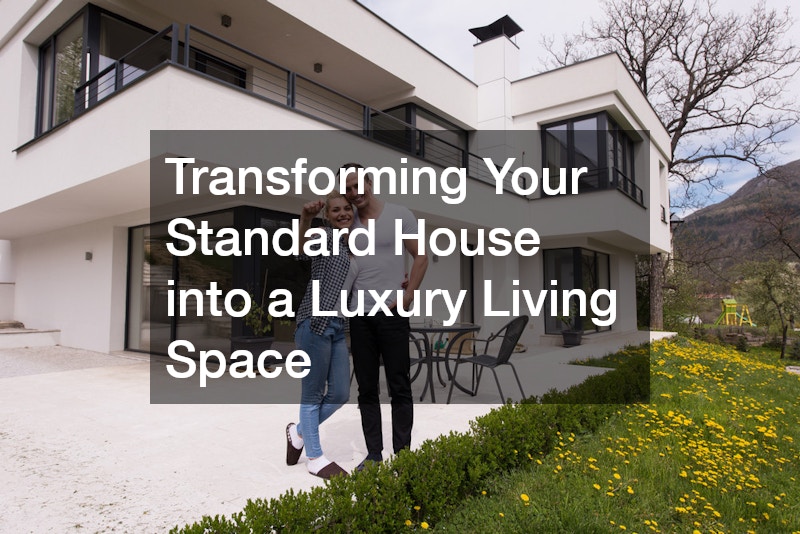
The concept of luxury in residential living has undergone a profound shift over the last decade. It is no longer defined solely by crystal chandeliers, gold-plated fixtures, or sheer square footage. Today, true luxury is defined by personalization, seamless functionality, and wellness. It is the quiet confidence of a home that works perfectly for its inhabitants—a space where the air is clean, the lighting adapts to your mood, and every surface feels substantial and intentional.
Transforming a standard “builder-grade” house into a bespoke sanctuary is less about spending money on flashy objects and more about investing in the quality of the infrastructure and the finishes. It requires shifting your mindset from that of a homeowner doing repairs to that of a curator building a legacy. Every renovation decision should be viewed through the lens of long-term value, comfort, and aesthetic cohesion.
Whether you have just purchased a fixer-upper with good bones or have lived in your home for twenty years and are ready for a change, this guide will walk you through the comprehensive process of elevating your property. We will explore how to expand your footprint intelligently, modernize your critical systems for invisible comfort, and curate interior and exterior spaces that rival high-end resorts. This is your roadmap to creating a home that not only looks expensive but feels invaluable.
Expand Your Footprint with High-End Annexes
One of the most significant limitations of a standard home is often the lack of a dedicated, specialized space. Standard floor plans prioritize bedrooms and a central living area, often leaving homeowners to cram home offices into corners or gyms into garages. To truly elevate a property, you must look beyond the existing walls and consider expanding your footprint. However, the traditional route of building an addition—with its months of noise, dust, and weather delays—can be a deterrent for many.
The Rise of the ADU
The modern approach to expansion focuses on the Accessory Dwelling Unit (ADU). These standalone structures serve as private retreats, whether for a focused workspace, a yoga studio, or a luxury guest suite. They add valuable square footage without disrupting the main household flow, creating a campus-like feel to your property. By separating these functions from the main house, you create a mental distinction between “living” and “working” or “exercising,” which is a hallmark of a luxury lifestyle.
Speed and Precision in Construction
When planning a detached addition, the method of construction matters as much as the design. High-end architectural firms are increasingly turning to off-site construction methods to ensure higher quality control and faster timelines. By utilizing custom modular homes technology for these additions, you can bypass the unpredictability of on-site building. These structures are built in climate-controlled environments where tolerances are measured in millimeters rather than fractions of an inch.
This approach allows for a level of insulation and structural rigidity that is often difficult to achieve with traditional framing in the elements. Once the unit is finished to your specifications—complete with high-end flooring, custom cabinetry, and premium fixtures—it is transported to your property and craned into place. This transforms a months-long construction project into a process that takes mere days on-site, instantly adding a luxury annex that feels less like a shed and more like a high-end architectural statement.
Invest in Statement Surfaces for a Chef’s Kitchen
The kitchen remains the undisputed heart of the home, and it is the primary indicator of a property’s luxury status. In a standard home, the kitchen is functional. In a luxury home, it is a piece of art that happens to be functional. To make this leap, you must move beyond the ubiquitous mid-range granite and standard tile backsplashes that defined the renovations of the early 2000s.
Material Selection
Elevating your kitchen starts with the selection of materials that offer depth, character, and exclusivity.
Natural Quartzite: Unlike engineered quartz, natural quartzite offers the durability of granite but with the marble-like veining that creates visual drama.
Porcelain Slabs: For a hyper-modern look, large-format porcelain slabs can cover islands and backsplashes without grout lines, creating a seamless, monolithic appearance.
Mixed Textures: Luxury kitchens often mix materials—perhaps a butcher block section for prep work integrated into a cool stone island for serving.
Precision Matters
However, the most expensive stone slab will look cheap if it is poorly executed. The difference between a standard kitchen and a luxury workspace lies entirely in the fabrication. When you are investing in premium slabs, the countertop installation process becomes the most critical phase. High-end fabrication ensures that the veining in the stone flows continuously over “waterfall” edges (where the stone continues down the side of the cabinet to the floor).
It involves invisible seams that are color-matched to the grain of the stone, not just the base color. It also means precise, computer-guided cutting for undermount sinks and flush-mounted cooktops. A luxury installation will often include pop-up electrical sockets recessed directly into the stone, eliminating the need to mar the backsplash with plastic outlets. These subtle details, where functionality meets pristine craftsmanship, are what guests notice, even if they can’t quite put their finger on why the kitchen feels so substantial.
Curate a Spa-Like Sanctuary for Daily Wellness
The master bathroom is no longer just a utility room; in the luxury market, it is expected to be a “wet room” or a private spa. This shift requires a complete rethinking of layout and plumbing. Standard homes typically jam a toilet, a prefabricated shower stall, and a vanity into a small square. Transforming this requires expanding the space, often by borrowing from an adjacent closet or bedroom, to create a zone of relaxation.
Moving Beyond Utility
Key features of a luxury bath include:
The Wet Room Concept: Instead of a small shower cubicle, luxury bathrooms often feature a large, glass-enclosed area that houses both the shower and a freestanding soaking tub. This requires floor-to-ceiling tiling and advanced drainage systems.
Radiant Heating: There is no greater luxury than stepping onto a warm floor on a cold morning. Electric or hydronic heating systems installed beneath the tile are a non-negotiable standard for high-end bathrooms.
Steam Capabilities: Converting a shower into a steam room adds a massive wellness component, allowing for detoxification and relaxation without leaving the house.
Expertise is Crucial
Achieving this level of finish is not a handyman task. Moving plumbing stacks to accommodate a freestanding tub or ensuring a steam shower is vapor-proof requires a high level of technical skill. This is why engaging specialized bathroom remodelers is essential. These professionals understand the complexities of heavy glass loads, waterproofing membranes, and the structural reinforcement needed for heavy stone or cast-iron tubs.
A specialist will also understand the importance of lighting in a bathroom—layering task lighting for grooming with ambient, dimmable lighting for bathing. They can integrate niches for toiletries that align perfectly with the grout lines of your tile, a subtle detail that screams high-end design. By focusing on these structural and layout changes, you turn a morning routine into a daily ritual of self-care.
Prioritize Invisible Comfort and Air Quality
Luxury is often defined by what you don’t notice. In a truly high-end home, you never feel a cold draft, you never hear the rattle of a compressor turning on, and the air always feels fresh. Standard homes often suffer from “sick building syndrome,” where dust, allergens, and inconsistent temperatures make the environment fatiguing. Upgrading the “lungs” of your home is one of the most impactful investments you can make for your quality of life.
The “Feel” of Luxury
The first step is moving away from the “single thermostat” model. Luxury living involves climate zoning, where the master suite, the living areas, and the guest rooms can be kept at different temperatures. This requires a sophisticated approach to ductwork and system design. You should consult with an experienced HVAC contractor to conduct a full audit of your home’s airflow. They can identify where duct leakage is costing you money and comfort, and propose solutions like hospital-grade HEPA filtration systems or whole-home humidifiers/dehumidifiers.
Upgrading the Lungs of the Home
The noise level of your mechanical systems is a major differentiator. Older, builder-grade air conditioning units are often loud, clunky, and cycle on and off aggressively, creating temperature swings. When planning an air conditioner replacement, look for variable-speed technology. Unlike standard units that run at 100% or 0%, variable-speed units can run at lower capacities—40% or 50%—for longer periods.
This “low and slow” approach maintains a consistent temperature to within a fraction of a degree and constantly circulates air through the filters, resulting in cleaner air and lower humidity. Most importantly, these units are virtually silent. The outdoor condenser should be whisper-quiet, ensuring that your outdoor entertaining isn’t interrupted by the roar of a fan. This invisible layer of comfort ensures the home feels solid, calm, and perfectly managed.
Integrate Seamless Technology for Effortless Living
We live in a digital age, but a luxury home should not look like an electronics store. The goal of high-end technology is integration—hiding the complexity while retaining the control. “Smart” devices that clutter your phone with fifty different apps are not a luxury; they are a nuisance. True luxury automation is a centralized ecosystem where lighting, security, shading, and entertainment talk to each other.
Automation vs. Gimmicks
Lighting is perhaps the most powerful tool for setting a mood. A luxury system allows for “scenes.” With a single tap on a keypad (which should be engraved and backlit), you can trigger a “Dinner” scene: the overhead lights dim to 20%, the art lights brighten, the motorized shades lower for privacy, and a curated playlist begins to play softly. This level of orchestration requires a comprehensive smart home system that is hardwired into the home’s electrical infrastructure.
Security and Energy Management
Beyond ambiance, these systems offer robust security. You can program the house to simulate occupancy when you are on vacation, with lights turning on and off in a natural pattern. You can receive alerts if a water leak is detected or if a garage door is left open. The interface for these systems should be elegant—touchscreens flush-mounted into the wall or voice commands that actually work. By centralizing control, you remove the friction from daily living. You no longer walk around turning off twenty individual switches before bed; you simply press “Goodnight,” and the house puts itself to sleep.
Maximize Natural Light and Thermal Efficiency
One of the quickest ways to identify a standard home is by its windows. Standard windows are often small, framed in thick white vinyl, and offer poor insulation. Transforming the aesthetic of your home requires rethinking how light enters the space. The trend in luxury design is “bringing the outdoors in,” which means replacing solid walls with glass.
Blurring Indoor-Outdoor Lines
Consider replacing a bank of standard windows with a bi-fold or multi-slide door system. These massive glass walls can fold away entirely, physically connecting your living room to your patio. Even for fixed windows, moving to floor-to-ceiling glass changes the scale of a room, making it feel grander and more open. However, increased glass area introduces the risk of heat gain and energy loss.
Energy Performance
This is why the technical specifications of the glass are paramount. You should work with a premium window replacement company to source architectural-grade products. Look for frames made of thermal-break aluminum, steel, or wood-clad composites, which offer slim sightlines (more glass, less frame). The glass itself should be triple-paned or treated with advanced Low-E coatings that block UV rays (protecting your art and furniture) and prevent heat transfer. This ensures that you can enjoy the view and the natural light without the room becoming a greenhouse in the summer or an icebox in the winter.
Layer Textures to Define and Soften Spaces
Once the structural and mechanical upgrades are in place, the transformation shifts to the interior design. A common mistake in high-end renovations is creating spaces that feel “cold”—too much stone, glass, and metal. A luxury home must feel warm and inviting, and this is achieved through the layering of textures.
Acoustics and Aesthetics
Hard surfaces cause sound to reverberate, making a home feel hollow and noisy. Soft goods are essential for acoustic dampening. This is particularly important in the open-concept floor plans that are popular today. Without walls to define zones, you must use flooring and textiles to visually separate the dining area from the living area or the foyer.
Bespoke Design
While you can buy rugs off the rack, they rarely fit a room perfectly. A rug that is too small makes the room look cheap and disjointed. In a luxury context, the solution is commissioning custom area rugs. This allows you to dictate the exact dimensions, ensuring the rug sits perfectly under the furniture with the correct amount of floor exposure around the edges.
It also allows for material selection that matches your lifestyle—perhaps a durable wool-silk blend for the living room that catches the light, or a plush, high-pile alpaca wool for the master bedroom. Customization enables you to pull specific colors from your artwork or upholstery into the rug pattern, creating a subconscious sense of harmony and completeness in the room’s design.
Extend Your Living Space to the Outdoors
Finally, a luxury property does not end at the back door. The concept of the “fifth room” treats the outdoor space with the same design rigor as the interior. This is not just about having a lawn; it is about creating distinct zones for dining, lounging, and entertaining.
Privacy and Security
The perimeter of your property sets the stage. A standard dog-eared wood fence or a chain-link barrier instantly downgrades the feel of the home. Privacy should be architectural. Engaging a professional fence contractor allows you to install perimeter solutions that are beautiful from both sides. Horizontal slat fencing in cedar or exotic hardwoods like Ipe creates a modern, sleek look that provides total privacy while allowing airflow. Alternatively, masonry walls or mixed-material fences (stone pillars with iron insets) convey a sense of permanence and security.
Hardscaping and Flora
Inside the perimeter, the landscaping must be layered. It should include mature specimen trees for immediate impact, rather than waiting years for saplings to grow. Hardscaping—stone patios, retaining walls, and pathways—provides the structure. A reputable landscaping company will design a plan that offers year-round visual interest, ensuring the garden doesn’t look dead in the winter.
They will also handle the vital infrastructure of the garden: drainage solutions to protect the home’s foundation and low-voltage lighting systems. Landscape lighting is the final touch that elevates a property, highlighting architectural trees and washing the stone walls with light, ensuring the home looks as majestic at night as it does during the day.
Conclusion
Transforming a standard house into a luxury living space is a journey of refinement. It is about peeling back the layers of “good enough” to reveal the potential for “exceptional.” It requires patience, a budget that prioritizes quality over quantity, and a team of dedicated professionals who understand your vision.
The result of this effort is not just a higher resale value, although that is a certain outcome. The true result is a home that supports your lifestyle in every way—a place where the environment is healthy, the technology serves you, and the beauty of the space brings you daily joy. As you consider your next steps, do not feel pressured to do everything at once. Start with the project that solves your biggest pain point, whether that is a chaotic kitchen or a drafty bedroom. Excellence is a habit, and once you start upgrading your home with intention, the path to luxury becomes clear.