
Transforming an outdoor space takes more than a few weekend projects. It is a layered process that blends planning, functionality, and long-term care. Homeowners who take the time to approach their property with a clear strategy often end up with landscapes that are both visually appealing and easier to maintain.
This guide walks through every stage of outdoor property transformation, from early planning to ongoing care. It is written to help homeowners understand how each step connects, while also highlighting the role of experienced professionals along the way. When approached correctly, even the most neglected yard can become a space that adds real value to a home.
Beyond aesthetics, a well-planned outdoor environment can improve how a property feels on a daily basis. It creates areas for relaxation, supports outdoor living, and even contributes to better environmental balance. Thoughtful landscaping can improve drainage, reduce heat around the home, and support local ecosystems.
Outdoor improvements can also influence how a home is perceived from the street. A well-maintained yard often leaves a strong first impression, which can be especially important for homeowners considering resale in the future. Over time, these improvements can contribute to increased property value and stronger neighborhood appeal.
Understanding the Foundation of Outdoor Planning
Every successful project begins with a clear understanding of the land itself. Before any design ideas take shape, homeowners benefit from knowing exactly what they are working with.
This is where a land surveyor plays an essential role. A professional survey provides accurate property boundaries, elevation details, and potential limitations that may affect construction or planting decisions. It also helps identify drainage patterns and slope variations that may not be obvious at first glance. Skipping this step can lead to costly issues later, especially when installing permanent features.
At the same time, early collaboration with local landscapers helps translate technical details into practical ideas. These professionals can assess soil conditions, drainage patterns, and sun exposure. Their input ensures that the vision for the space aligns with what the land can realistically support.
Another important factor during this phase is understanding local regulations. Zoning requirements, setback rules, and utility lines can all influence what is possible on a property. Addressing these details early prevents delays once the project is underway.
Homeowners who invest time in this early phase often avoid expensive revisions later. It creates clarity, reduces risk, and sets realistic expectations for the entire project. It also builds confidence moving into the more visible stages of transformation.
Clearing the Way for Transformation
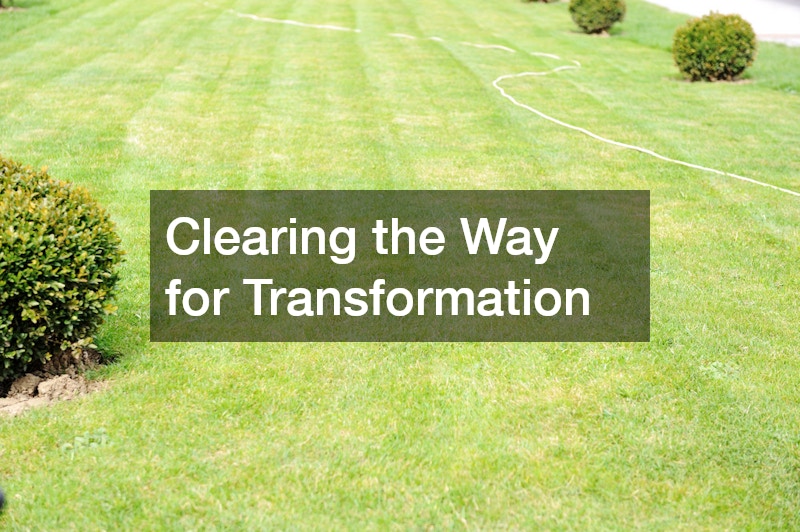
Once the groundwork is understood, the next step is preparing the site. Many properties require some level of cleanup before improvements can begin.
A professional land clearing service is often necessary when dealing with overgrown areas, invasive plants, or unused sections of land. Clearing allows homeowners to start fresh while also improving safety and accessibility. It also exposes the true layout of the property, making it easier to plan the next steps.
In some cases, tree removal becomes part of this process. Removing damaged, diseased, or poorly placed trees can open up space and improve the overall layout. It also helps prevent future hazards, especially during storms or high winds.
Clearing can also reveal hidden issues such as poor soil quality or drainage concerns. Addressing these problems early allows for better solutions during the design phase. For example, grading adjustments or soil amendments can be incorporated before construction begins.
This phase may require specialized equipment and trained crews, particularly for larger properties. Working with experienced professionals ensures the job is done safely and efficiently.
Clearing is not just about removing obstacles. It is about creating opportunity. Once the land is open and visible, homeowners can begin to see the full potential of their property. This step often sparks new ideas and possibilities that were not obvious before.
Designing a Landscape That Works
With the land prepared, attention shifts to creating a layout that balances beauty and usability. Good landscape design is not just about appearance. It is about how the space functions over time.
A thoughtful design considers how people move through the yard, where they gather, and how different areas serve different purposes. It also takes into account maintenance needs, ensuring that the property remains manageable as it matures.
Incorporating elements like fences installation can add both structure and privacy. Fences define boundaries, protect plantings, and enhance the overall aesthetic when chosen carefully. Materials, height, and placement all play a role in how the finished space feels.
Design is also the stage where long-term vision is established. Decisions made here will influence how the landscape evolves for years to come. Taking the time to get it right is well worth the effort.
Another important consideration is how the design integrates with the home itself. A well-connected outdoor space feels like an extension of the interior, creating a seamless transition between indoor and outdoor living. This connection can significantly improve how often the space is used.
Homeowners may also explore incorporating sustainable practices during this stage. Features such as permeable surfaces or rain gardens can help manage water runoff while adding visual interest.
Building a Strong Irrigation Strategy
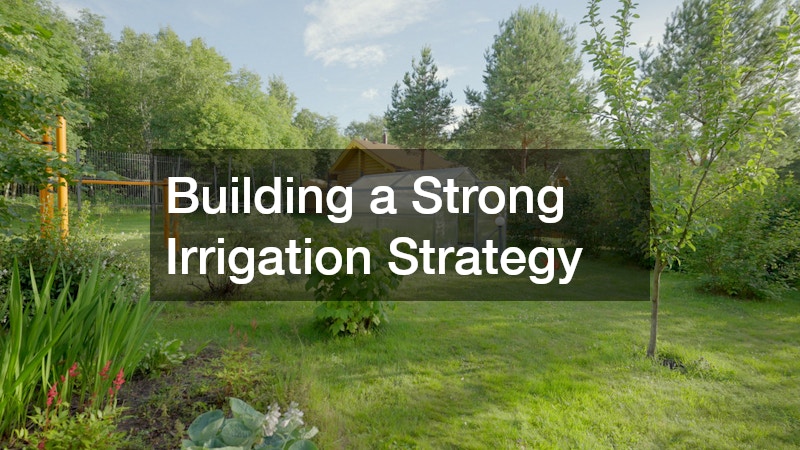
Water management is one of the most important aspects of any outdoor space. Without proper irrigation, even the best design will struggle to thrive.
Installing local lawn irrigation systems ensures that grass, plants, and trees receive consistent moisture. Modern systems can be tailored to specific zones, allowing different areas of the yard to get exactly what they need. This level of control is especially useful for properties with a mix of lawns, gardens, and shaded areas.
An effective irrigation plan also supports long-term sustainability. By reducing water waste and improving efficiency, homeowners can maintain a healthy landscape while keeping utility costs under control.
In addition, smart irrigation systems can adapt to weather conditions, adjusting watering schedules automatically. This not only saves time but also helps prevent overwatering, which can damage plants and lead to other issues.
Proper installation is key. Systems should be designed with coverage, pressure, and layout in mind to ensure even distribution of water across the entire property. A well-installed system reduces the need for constant manual watering.
Regular inspections help keep irrigation systems running smoothly. Small adjustments can make a noticeable difference in plant health and water usage over time.
Feeding the Landscape for Long-Term Health
Healthy soil is the backbone of any thriving outdoor space. Without proper nutrients, plants cannot grow to their full potential.
A reliable lawn fertilization service provides the nutrients needed to support strong root systems and consistent growth. Fertilization schedules are typically adjusted based on the season and the specific needs of the property.
At the same time, ongoing landscape maintenance services help keep everything in balance. Regular care, including mowing, pruning, and soil management, prevents small issues from turning into larger problems.
Soil testing is another valuable step that many homeowners overlook. Understanding nutrient levels and pH balance allows for more targeted treatments, improving overall results.
Healthy soil also improves water retention, reduces erosion, and supports beneficial microorganisms. These factors work together to create a stable and productive environment for all types of plant life.
Organic treatments are also becoming more common, offering a more natural approach to maintaining soil health while supporting long-term sustainability.
Choosing the Right Plants and Features

Plant selection is where creativity meets practicality. The right choices can enhance the look of a property while also reducing maintenance demands.
Incorporating a well-placed shrub adds structure and depth to the landscape. Shrubs can be used to frame entryways, define garden beds, or create natural borders within the yard.
Working with local landscapers during this stage ensures that plant choices are suited to the local climate. Native and well-adapted species tend to require less water and care, making them a smart investment for long-term success.
Layering plants of different heights and textures can create a more dynamic and visually appealing space. This approach adds depth and helps the landscape feel more complete.
Homeowners should also consider how plants will grow over time. Spacing, height, and seasonal changes all play a role in how the landscape looks and functions in the future.
Color planning is another detail that can elevate the final result. Choosing plants that bloom at different times of the year keeps the landscape visually interesting across all seasons. This approach ensures the yard never feels dull or unfinished.
Enhancing Functionality with Structural Elements
A well-designed outdoor space should be as functional as it is attractive. Structural elements help achieve this balance by adding usability and organization.
Fences installation is one of the most common upgrades homeowners choose. Beyond providing privacy, fences can improve security and create a sense of enclosure that makes outdoor spaces feel more comfortable.
Other structural additions, such as retaining walls or walkways, can further enhance the layout. These features not only improve accessibility but also contribute to the overall design.
Lighting is another important consideration. Well-placed outdoor lighting improves safety and extends the usability of the space into the evening hours.
Outdoor living features such as patios or seating areas can also increase the value of the property while making it more enjoyable for everyday use. These spaces often become the centerpiece of the yard.
Storage solutions, such as sheds or built-in benches, can also help keep the space organized and clutter-free.
Maintaining the Investment Over Time
Once the transformation is complete, ongoing care becomes the focus. A well-maintained landscape continues to grow and improve, while neglected spaces can quickly decline.
Regular landscape maintenance services play a key role in preserving the property’s appearance and functionality. Tasks such as trimming, seasonal cleanup, and monitoring plant health keep everything looking its best.
Irrigation systems should also be checked periodically to ensure they are operating efficiently. Adjustments may be needed as plants mature or weather patterns change.
Ongoing care also includes pest management and disease prevention. Catching issues early helps protect plants and reduces the need for more aggressive treatments later.
Consistency is the key to long-term success. Small, routine efforts often prevent the need for major repairs or replacements.
Keeping a simple maintenance schedule can help homeowners stay on track and ensure that no important tasks are overlooked. Over time, this consistency leads to a healthier and more polished landscape.
Adapting to Seasonal Changes
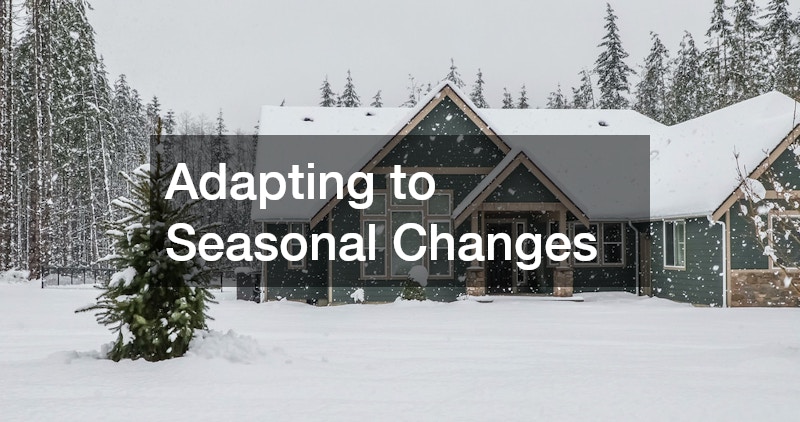
Outdoor spaces are constantly evolving. Each season brings new challenges and opportunities for improvement.
During warmer months, local lawn irrigation systems may need adjustments to account for increased evaporation and plant growth. In cooler seasons, attention shifts to protecting plants and preparing the soil for the next cycle.
A well-planned lawn fertilization service schedule supports this seasonal rhythm. Proper timing ensures that nutrients are available when plants need them most.
Seasonal cleanup is equally important. Removing debris, trimming back growth, and preparing plants for changing weather conditions helps maintain a neat and healthy appearance.
Seasonal changes also provide opportunities to refresh the appearance of the landscape. Adding seasonal plants or updating small features can keep the space feeling new and inviting.
Planning ahead for seasonal transitions helps reduce stress and ensures that the landscape remains healthy year-round.
Start Your Outdoor Transformation Today
Every outdoor space has potential. The difference between an average yard and a truly exceptional one often comes down to planning, execution, and consistency.
Homeowners who take the first step by evaluating their property and seeking professional guidance are already ahead of the curve. Whether the goal is to create a relaxing retreat, improve curb appeal, or increase property value, the right approach makes all the difference.
Working with experienced professionals ensures that each phase of the project is handled with care. From initial planning to ongoing maintenance, expert support helps bring ideas to life while avoiding common pitfalls.
Investing in outdoor improvements is not just about appearance. It is about creating a space that supports daily life and adds long-term value to the home.
Even small upgrades can lead to meaningful improvements over time. Starting with a clear plan and building gradually allows homeowners to manage costs while still making steady progress.
Now is the time to take action. A well-designed outdoor space does not just happen by chance. It is built through thoughtful decisions and consistent effort. By starting today, homeowners can begin the process of transforming their property into a space they can enjoy for years to come.
About the Author