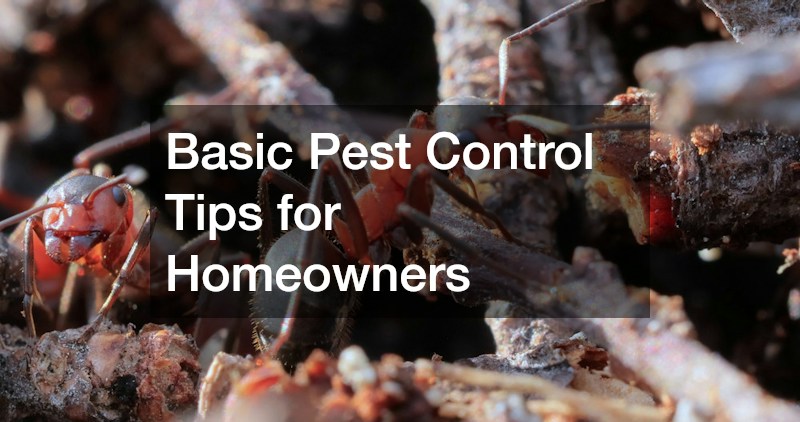

Pests can turn a comfortable home into a source of stress almost overnight. Ants in the kitchen, mice in the attic, or roaches under the sink are not only unpleasant but can also damage property and affect your family’s health. The good news is that many infestations can be prevented with a few simple habits. Keeping your home clean, storing food properly, controlling moisture, sealing entry points, and maintaining your yard all make your property less inviting to unwanted visitors. Regular inspections help you catch problems early, while knowing when to call for help prevents minor issues from growing.
For homeowners in warm, humid regions, partnering with a trusted North Carolina exterminator can provide added protection when prevention alone is not enough.
Keep Your Kitchen Clean
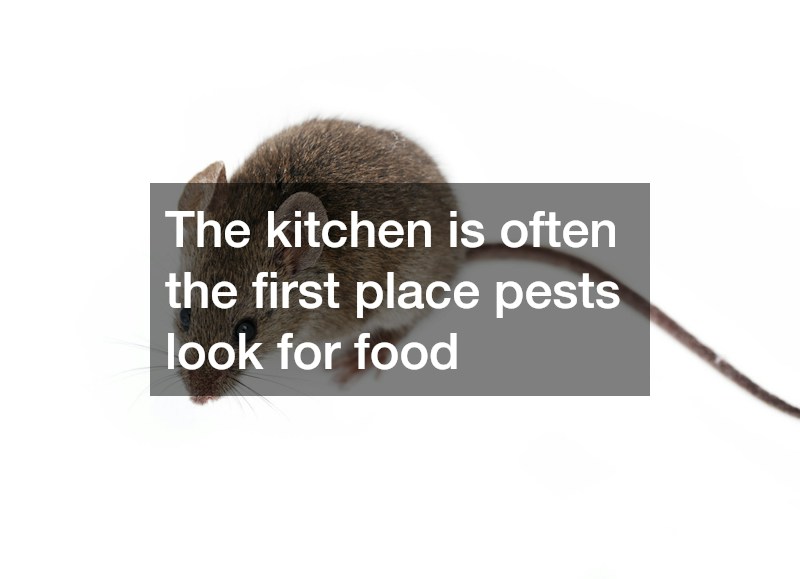
The kitchen is often the first place pests look for food, so keeping it clean is one of the most effective prevention steps. Wipe down counters, tables, and stovetops after every meal to remove crumbs and grease. Sweep and mop floors regularly, paying special attention to areas under appliances and along baseboards where food debris tends to collect. Avoid leaving dirty dishes in the sink overnight, as they can attract ants and cockroaches. Clean spills immediately, especially sugary drinks and sticky substances. Take out the trash frequently and use garbage cans with tight-fitting lids. Cleaning out the toaster, microwave, and pantry shelves every few weeks also helps eliminate hidden food sources that pests might otherwise discover.
Store Food the Right Way
Even a clean kitchen can attract pests if food is easy to access. Store dry goods like cereal, flour, sugar, rice, and pasta in airtight glass, metal, or heavy plastic containers rather than their original bags or boxes. Pests like ants, mice, and pantry beetles can chew through cardboard and thin packaging with little effort. Keep fruits and vegetables in the refrigerator when possible, or store them in covered containers. Pet food deserves special attention because it is a common target for rodents and insects. Keep it in sealed bins, and avoid leaving food in bowls overnight. Checking pantry items regularly for signs of pests allows you to catch problems before they spread to other foods.
Why Is Moisture Control So Important?
Many pests need water to survive, which makes damp areas especially attractive. Cockroaches, termites, silverfish, and certain types of ants thrive in moist environments. Fix leaky faucets, dripping pipes, and running toilets as soon as possible. Check under sinks, around water heaters, and behind appliances for hidden leaks. Use a dehumidifier in basements or crawl spaces that tend to stay damp, and make sure bathrooms and laundry rooms are properly ventilated. Outside, clean gutters regularly and ensure downspouts direct water away from the foundation. Pooling water near the house can soften soil and wood, creating ideal conditions for termites and other pests. Staying on top of moisture issues can prevent a wide range of infestations.
Seal Cracks and Entry Points
Pests often enter homes through small openings that are easy to overlook. Walk around the outside of your home and look for cracks in the foundation, gaps around windows and doors, and openings where pipes, cables, or vents enter the house. Seal small cracks with caulk and use steel wool combined with sealant for larger gaps that rodents might use. Install door sweeps on exterior doors and replace worn weatherstripping. Repair torn window and door screens to keep out flying insects. Check that attic vents and chimney openings are covered with sturdy screens. These improvements not only help keep pests out but can also improve energy efficiency by reducing drafts.
Maintain Your Yard
Your yard can either discourage pests or invite them closer to your home. Keep grass mowed and trim bushes and shrubs so they do not touch the siding or roof, since branches can act as bridges for ants, rodents, and other pests. Pull mulch back a few inches from the foundation, as it holds moisture and provides cover for insects. Store firewood at least several feet from the house and off the ground to discourage termites and rodents. Remove yard debris, leaf piles, and unused items that could become nesting sites. Empty containers that collect rainwater to reduce mosquito breeding. In North Carolina’s warm climate, pests remain active for much of the year, so consistent yard maintenance is especially important.
Reduce Clutter Indoors
Clutter provides pests with hiding places, nesting materials, and protection from disturbance. Stacks of cardboard boxes, piles of newspapers, and unused clothing in basements, garages, or closets can quickly become homes for rodents, cockroaches, and spiders. Organize storage areas using sealed plastic bins rather than cardboard, and keep items off the floor when possible. Regularly declutter spaces that are rarely used, such as attics and storage rooms. When bringing items into your home, such as used furniture, secondhand clothing, or luggage after travel, inspect them carefully for signs of pests like bed bugs. A tidy, organized home makes it much easier to spot early warning signs of an infestation.
Watch for Early Warning Signs
Catching pest problems early makes them easier and less expensive to resolve. Get into the habit of checking your home periodically for signs of activity. Look for droppings in cabinets and along baseboards, gnaw marks on food packaging or wires, mud tubes on the foundation, discarded insect wings near windows, and unusual odors in enclosed spaces. Pay attention to scratching sounds in walls or ceilings, especially at night. Seasonal inspections are especially useful, since pest activity often changes with the weather. Spring may bring ants and termite swarmers, while fall often brings rodents looking for shelter. Early detection gives you the chance to act before pests become firmly established.
When to Call a Professional
Some pest problems are simply too large or complex to handle alone. If pests keep returning despite your prevention efforts, or if you suspect termites, bed bugs, or a large rodent infestation, it is time to call in an expert. A licensed North Carolina exterminator can perform a thorough inspection, identify the species involved, and create a targeted treatment plan. Professionals also offer long-term prevention services and regular inspections that help protect your home year-round. Getting help early can prevent costly damage and reduce health risks for your family.
Staying Ahead of Pests
Preventing pests does not have to be complicated. By keeping your home clean, storing food properly, controlling moisture, sealing entry points, maintaining your yard, and reducing clutter, you can make your property far less appealing to unwanted invaders. Regular inspections help you spot problems early, and professional support provides extra protection when needed. With these simple habits in place, you can enjoy a safer, healthier, and more comfortable home throughout every season.
About the Author