

Hiring a handyman can be a convenient way to take care of repairs, maintenance, and smaller improvement projects around your home. From patching drywall to installing shelves, an experienced handyman may be able to complete a variety of jobs without requiring homeowners to coordinate several different contractors.
However, choosing the wrong person can lead to poor workmanship, unexpected expenses, delays, or even additional damage. Before hiring someone to work on your property, avoid these common mistakes.
Hiring Based Only on the Lowest Price
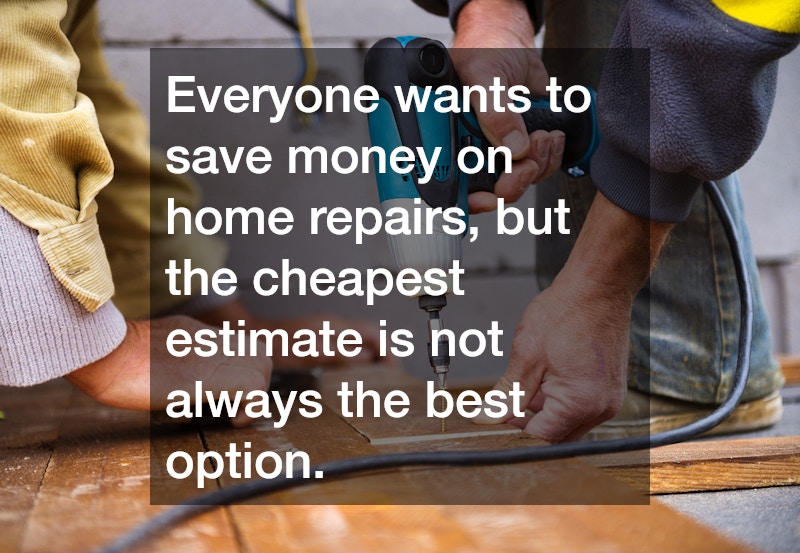
Everyone wants to save money on home repairs, but the cheapest estimate is not always the best option.
A significantly lower price could mean the person is using cheaper materials, excluding certain services, or underestimating the amount of work required.
Instead of comparing only the final price, ask what each estimate includes. Determine whether materials, cleanup, disposal, and other expenses are part of the quoted amount.
The goal should be to find good overall value rather than simply selecting the lowest bid.
Not Checking Experience
Handymen can have very different skills and areas of expertise.
Someone who is excellent at repairing drywall may have limited experience installing flooring. Another professional may specialize in carpentry but rarely perform exterior repairs.
Before hiring a handyman, explain your project and ask whether they regularly perform that type of work.
For larger projects, consider asking for photographs or examples of similar jobs they have completed.
Failing to Check Local Requirements
Homeowners should understand whether their project requires a licensed professional.
Rules vary depending on the location and type of work being performed. Certain electrical, plumbing, structural, or HVAC projects may require specific licenses, permits, or inspections.
A handyman who is qualified to perform general household repairs may not be legally permitted to perform every type of construction work.
Before the project begins, check applicable local requirements and make sure the person you hire has any credentials that are necessary.
Skipping Insurance Questions
Another common mistake is assuming that everyone performing home repairs carries appropriate insurance.
Ask about insurance before allowing someone to begin work on your property. Depending on the circumstances, coverage can become important if someone is injured or property is accidentally damaged.
Professional contractors should generally be willing to discuss their insurance coverage and provide documentation when appropriate.
This question becomes increasingly important as projects become larger or involve greater risks.
Accepting a Vague Estimate
A verbal statement such as “It should cost about $500” provides very little information about what you are actually purchasing.
Ask for a written estimate describing the work that will be performed, expected materials, labor costs, and other important expenses.
If you are hiring a handyman for several different projects, the estimate should make it clear which tasks are included.
Written information reduces the chance that you and the contractor will have different expectations once work begins.
Not Discussing Materials
Homeowners sometimes assume contractors will automatically select the products they would personally choose.
That may not happen.
Ask who will purchase the materials and what types of products will be used. If appearance, durability, brand, or another feature is important to you, discuss it before materials are purchased.
For some jobs, homeowners may prefer to buy fixtures or finishes themselves while allowing the handyman to supply basic construction materials.
Clarifying these responsibilities early can prevent unnecessary confusion.
Ignoring Reviews and References
It can be tempting to hire someone immediately when you need a repair completed quickly.
However, spending a little time researching previous customer experiences can provide valuable information.
Look for consistent feedback about workmanship, communication, punctuality, and professionalism. You may also ask the handyman for references, particularly if the project is substantial.
One negative review should not necessarily eliminate someone from consideration, but repeated complaints about the same issue deserve attention.
Failing to Discuss the Timeline
Never assume that your definition of “soon” matches the contractor’s schedule.
Ask when the work can begin and approximately how long it should take.
Some handymen manage several projects at once, so a seemingly simple job could be scheduled farther into the future than you expect.
If you need the project completed before an event, move, inspection, or other deadline, communicate that information before hiring anyone.
Expanding the Project Without Discussing Price
It is common to notice additional tasks once a handyman begins working.
You might originally hire someone to repair drywall and then ask them to install shelves, fix a door, and replace trim.
Small additions can quickly increase the total bill.
Before adding new tasks, ask how they will affect the price and schedule. Keeping track of changes helps prevent surprises when the final invoice arrives.
Paying Everything Upfront
Payment arrangements vary depending on the contractor and project, and deposits may be reasonable when materials must be purchased.
However, homeowners should be cautious about paying the entire project cost before any work has been completed.
Discuss the payment schedule ahead of time and include it in your written agreement.
For larger jobs, payments may sometimes be connected to specific stages of completion.
Not Asking About Cleanup
Home improvement projects can leave behind dust, packaging, old materials, and other debris.
Ask whether cleanup is included in the quoted price.
If the handyman is removing old flooring, cabinets, drywall, fixtures, or other materials, determine who is responsible for disposal.
Knowing this beforehand prevents you from discovering at the end of the project that debris removal will cost extra or become your responsibility.
Forgetting to Inspect the Finished Work
Before considering the job complete, look carefully at the finished project.
Make sure the agreed-upon tasks have been completed and that fixtures, doors, shelves, or other installed items function correctly.
If something does not look right, bring it up promptly rather than waiting several weeks.
For larger projects, reviewing the work together before making the final payment can give both parties an opportunity to address outstanding issues.
Choosing Someone Who Communicates Poorly
Communication matters even for relatively small home repairs.
Pay attention to how potential contractors communicate before you hire them. Do they answer questions clearly? Do they show up when promised? Do they explain costs and project requirements?
If communication is difficult during the estimate process, it could become even more frustrating after work begins.
Finding a handyman who communicates reliably can make the entire project easier to manage.
Take Your Time Choosing the Right Professional
Hiring a handyman can simplify many household projects, but homeowners should still approach the decision carefully. Avoid choosing someone based only on price, skipping research, ignoring licensing requirements, or accepting unclear estimates.
Ask about experience, insurance, materials, scheduling, payments, and cleanup before work begins. Most importantly, make sure both sides clearly understand the scope of the project.
Taking a little extra time to evaluate your options can help you find a dependable handyman and reduce the likelihood of problems during your next home repair or improvement project.
About the Author