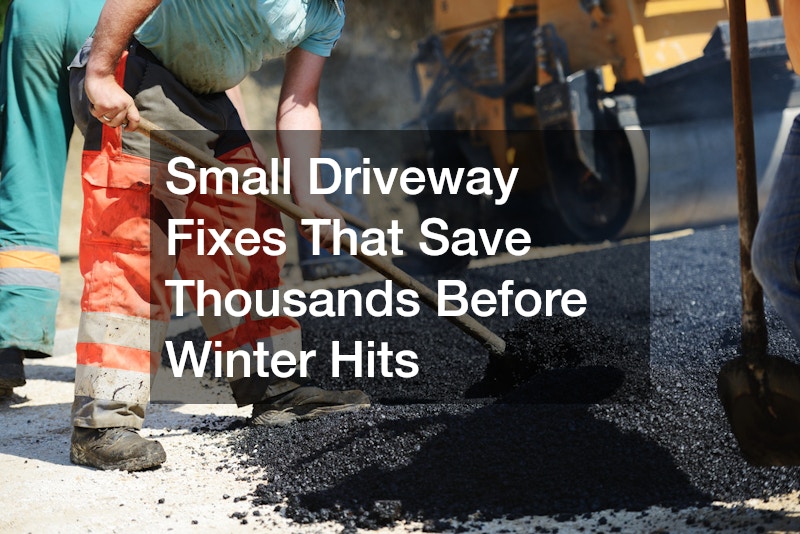

Cold weather is brutal on driveways, turning small cracks and soft spots into major structural failures once freeze-thaw cycles set in. Water seeps into tiny openings, freezes, expands, and widens the damage every single night the temperature drops. The good news is that most of the expensive breakdowns homeowners face each spring start as minor issues that could have been fixed for a fraction of the cost. This guide walks through the small, affordable fixes worth tackling now, before winter turns a $200 repair into a $5,000 replacement.
Seal Hairline Cracks Before They Spread
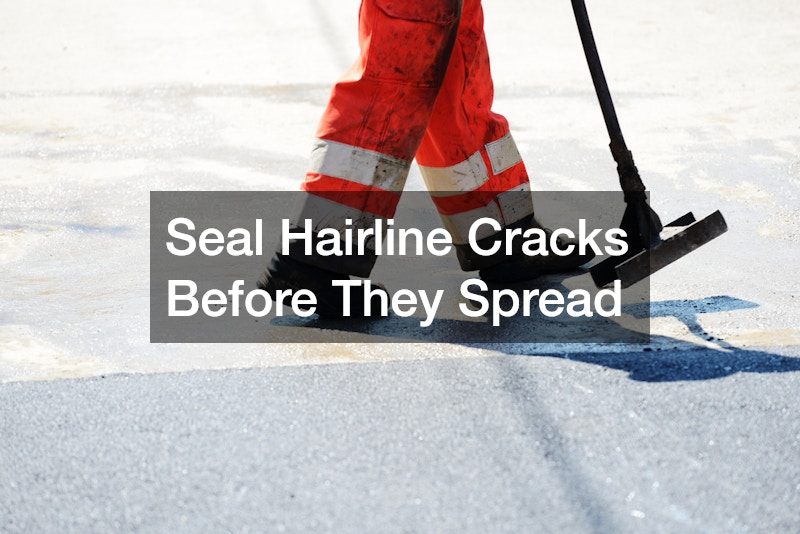
Hairline cracks look harmless, but they are the number one entry point for water damage during winter. Once moisture gets underneath the surface and freezes, it expands and pushes the crack wider, often creating a chain reaction across the whole slab. Filling these cracks now with a proper asphalt repair product is one of the cheapest insurance policies a homeowner can buy before the temperature drops. A tube of crack filler costs very little compared to what it prevents down the road.
Timing matters here. Crack sealing works best when temperatures are still mild, generally above 40 degrees Fahrenheit, so the material can cure properly before frost arrives. Waiting until the first snowfall to address cracks means the damage will likely worsen before you get a chance to treat it.
- Clean debris and vegetation out of cracks before filling
- Use a rubberized filler designed for outdoor temperature swings
- Reapply in problem areas every one to two years
- Check north-facing sections first, since they stay colder longer
Patch Potholes and Soft Spots Early
Potholes rarely start big. They usually begin as a small depression where water has pooled and slowly eroded the base material underneath. Left untreated through a winter of freezing and thawing, that small dip can turn into a deep, tire-damaging hole by spring. Patching these spots in autumn, while the ground is still workable, stops the erosion process before it accelerates.
A soft spot that gives slightly under your foot is often a sign the base layer has already washed out beneath the surface. In these cases, a simple surface patch will not hold for long, and it may be worth calling in one of the local driveway companies to assess how deep the problem goes.
- Look for standing water after rain as an early warning sign
- Address soft spots before the first hard freeze
- Use cold-patch asphalt mix for quick, DIY-friendly repairs
- Compact the patch firmly to prevent future sinking
Reseal the Surface for Winter Protection
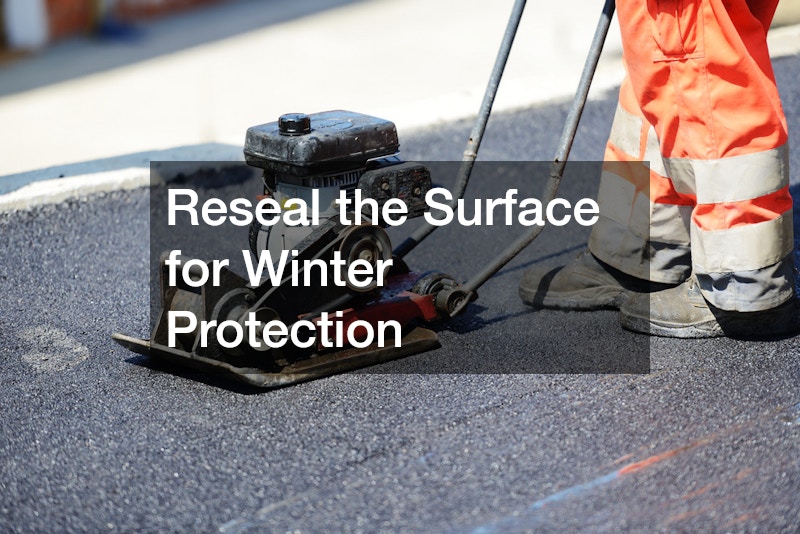
A driveway without a protective topcoat is far more vulnerable to salt, ice, and moisture penetration throughout the winter months. Sealcoating adds a barrier that keeps water from soaking into the asphalt and helps the surface resist the damaging effects of de-icing chemicals. It also slows down the natural oxidation that makes asphalt look gray and brittle over time.
This is a project best done every two to three years, and fall is one of the better windows for it since the surface needs several dry, mild days to cure fully. Skipping this maintenance step is one of the most common reasons driveways fail years before they should.
- Apply sealcoat only when no rain is forecast for 24 to 48 hours
- Avoid driving on the surface for at least a full day after application
- Choose a product rated for your regional climate
- Reapply sooner in areas with heavy salt exposure
Clear Drainage Paths Around the Slab
Water that has nowhere to go will find its way into your driveway one way or another. Clogged gutters, blocked culverts, and poorly graded edges all contribute to pooling water that seeps beneath the surface and freezes overnight. Clearing leaves and debris from these pathways now is a free or nearly free fix that prevents thousands of dollars in frost-heave damage later.
Pay close attention to the low points along the edges of your driveway, since these areas collect runoff from the yard and roof. If water consistently pools in the same spot, regrading that section before winter can save the surface from repeated freeze damage all season long.
- Rake leaves away from drainage grates weekly through fall
- Check that downspouts direct water away from the pavement
- Fill low spots along the edges with compactable gravel or soil
- Watch for ice buildup in the same spots after early cold snaps
Compare Repair Costs to Full Replacement
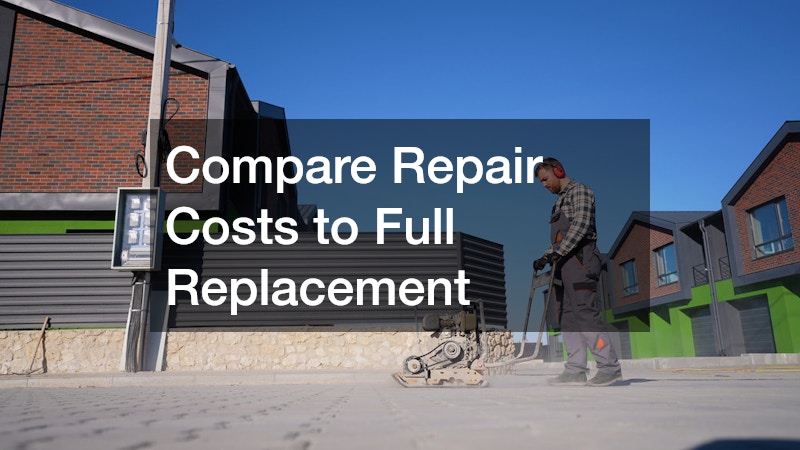
Not every driveway problem needs a full tear-out, and understanding the cost difference helps homeowners make smarter decisions before winter. A patch job or resealing might run a few hundred dollars, while a complete replacement can climb into the thousands depending on materials and square footage. Getting quotes from more than one asphalt paving contractor gives a realistic sense of what your specific driveway actually needs.
It is worth noting that concrete driveways and asphalt surfaces age differently, and repair costs vary accordingly. Concrete tends to last longer overall but can be pricier to patch invisibly, while asphalt is generally cheaper to repair in small sections without an obvious color mismatch.
- Ask for itemized quotes covering labor and materials separately
- Request photos or examples of past small-scale repair work
- Compare warranty terms, not just upfront price
- Factor in how many winters the current surface has already survived
Decide Between DIY and Professional Help
Small cracks under a quarter-inch wide, minor surface patches, and touch-up sealing are reasonable DIY projects for a motivated homeowner with a weekend to spare and a tube of asphalt or concrete filler from the hardware store. These fixes typically cost under $50 in materials and can be completed in an afternoon, making them an easy way to prevent water infiltration before winter freezes set in.
Larger structural issues tell a different story. Cracks wider than half an inch, alligator-pattern cracking across a large section, potholes, or noticeable sinking usually point to problems in the base layer that surface patching won’t solve. Drainage regrading also falls outside typical DIY territory, since getting the slope wrong can send water pooling right back toward your foundation instead of away from it.
The stakes get higher once you’re dealing with anything below the surface. Fixing a base layer issue yourself without the right compaction equipment often means the repair fails again within a season, turning a moderate expense into a repeated one.
Reaching out to local driveway paving contractors for a quick assessment can clarify whether a problem is truly minor or a warning sign of something bigger. Many offer free or low-cost inspections, and getting a second opinion before winter is far cheaper than discovering a hidden issue after a freeze-thaw cycle turns a small crack into a full-blown structural repair.
Before grabbing a trowel or dialing for quotes, size up the repair honestly. Hairline cracks under 1/8 inch, small pothole patches, and routine sealcoating are typically manageable weekend projects for most homeowners. Anything involving structural cracks wider than 1/2 inch, sunken sections, drainage problems, or damage covering more than 25% of the surface usually signals it’s time to call in a pro.
Professionals also have access to commercial-grade materials and equipment that outperform store-bought products, which matters most in regions with harsh winters. Infrared asphalt repair systems, for instance, can create seamless bonds that resist the freeze-thaw cycles that make DIY patches pop loose by February. They also carry industrial hot-pour crack sealants rated for temperature swings that consumer-grade cold patch simply can’t handle.
Cost is another factor worth weighing carefully. A DIY crack-sealing kit might run $20 to $50, while a professional visit for the same job could cost $150 to $300 — but that gap shrinks fast if a rushed DIY job fails and water gets underneath before winter, turning a small crack into a $3,000 resurfacing project.
If you are unsure which category your repair falls into, a short consultation is usually free and can prevent a costly guessing game. Many contractors will also point out issues you might miss, like early-stage edge crumbling or subgrade movement, that are far cheaper to address now than after a hard freeze sets in.
- DIY works well for hairline cracks (under 1/8 inch wide) and minor cosmetic patches using sealant from a hardware store
- Call a professional for depressions larger than a dinner plate, alligator cracking, or any damage that exposes the base layer
- Get a second opinion if a quote seems unusually high or low — prices for a standard driveway typically range from $300 to $800 for patch repairs
- Ask about off-season pricing, which is often 10-20% lower in fall as contractors wind down their busy season
- Factor in your own time and tools; DIY sealant and patch kits cost $30-$60 but require dry weather and a full day for curing
- If unsure, ask a contractor for a free assessment before committing — many offer this at no cost and can flag issues DIY fixes would miss
Evaluate Whether a Gravel Surface Needs Regrading
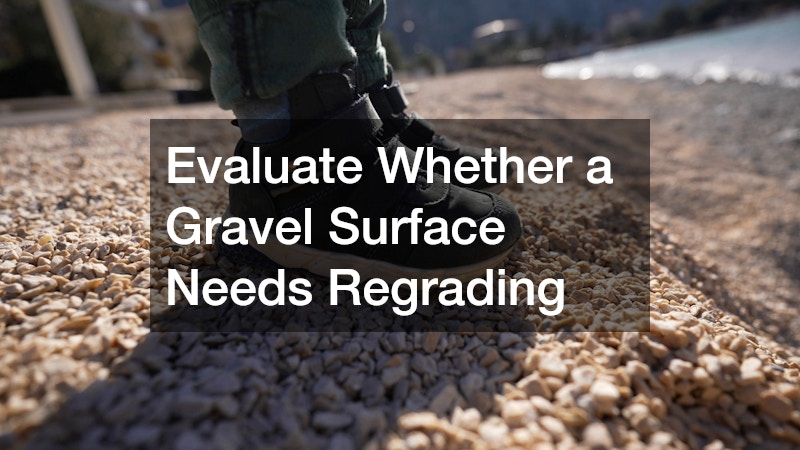
Homeowners with a gravel driveway face a different set of winter challenges than those with paved surfaces. Loose stone shifts and washes away over time, especially with fall rains, leaving ruts and low spots that trap water and ice. Regrading and adding fresh material before winter helps maintain a stable, even surface that will not heave or rut as badly once temperatures drop.
A gravel driveway generally costs less to maintain than paved alternatives, but it does require more frequent attention to stay in good shape. Topping off worn areas now, rather than waiting until spring, keeps the surface functional through icy conditions and reduces the chances of vehicles getting stuck.
- Add a fresh layer of crushed stone to low or worn areas
- Grade the surface to slope slightly away from the house
- Compact new gravel in layers rather than all at once
- Mark driveway edges for visibility before snow accumulates
Plan Ahead If You Are Widening or Extending
If you have been considering a driveway extension to accommodate an extra vehicle or improve turning space, fall is actually a smart time to plan the project, even if the work happens later. Asphalt and concrete both perform best when installed in moderate temperatures, so scheduling now for a spring start avoids the material problems that come with pouring in freezing conditions. Getting on a contractor’s schedule early also tends to secure better pricing before the spring rush.
Extending a driveway involves more than just adding pavement; it requires proper base preparation and drainage planning so the new section does not create a weak point where it meets the old surface. Rushing this kind of project in cold weather almost always leads to problems within the first year.
- Schedule site evaluations in the fall for spring construction
- Ask how the new section will tie into the existing drainage
- Confirm base depth requirements for your soil type
- Lock in pricing before contractor schedules fill up in spring
Choose the Right Company for Winter-Ready Repairs
Not all contractors specialize in the same type of work, and choosing the right one matters more than people realize. Some asphalt driveway contractors focus primarily on new installations, while others are better suited for smaller seasonal repairs and touch-up work. Asking directly about their experience with cold-weather patching and repair timelines can save you from a rushed or poorly matched job.
Checking reviews and asking for proof of past work is one of the most reliable ways to find a trustworthy asphalt driveway specialist. A contractor with a strong track record is more likely to stand behind their work and understand how the regional climate affects material choices.
- Ask how many winter repairs they complete annually
- Request references from recent customers
- Confirm they carry insurance and proper licensing
- Compare response times for emergency cold-weather repairs
Small driveway problems rarely stay small once winter takes hold, but a few hours of attention now can prevent thousands in repair costs later. Walk your driveway this week, note every crack, soft spot, and drainage issue, and tackle what you can before the first freeze. For anything beyond a simple patch, getting a professional opinion early gives you the best shot at a smooth, damage-free winter.
About the Author