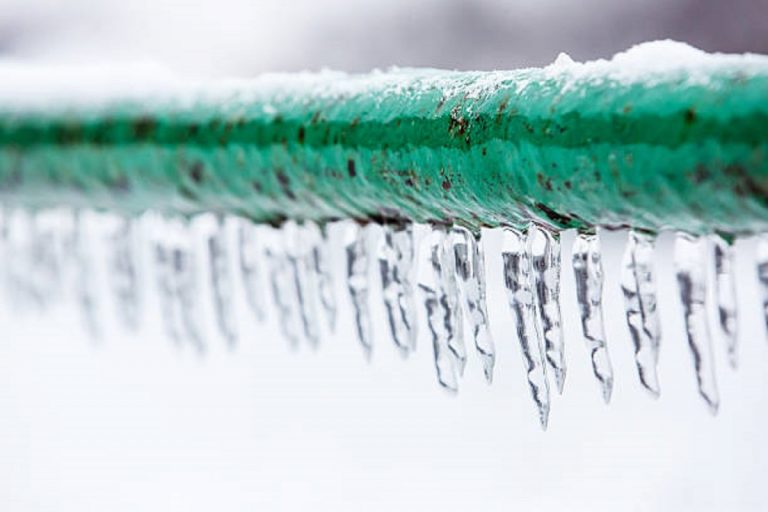

Every homeowner knows the sinking feeling of an unexpected repair bill arriving at the worst possible time. The good news is that most major home failures do not happen overnight; they build slowly through neglected maintenance, missed inspections, and small issues left to grow. By mapping out seasonal checkups and addressing problems early, you can protect your home’s value and your wallet at the same time. This guide walks through the key areas of your property that deserve attention throughout the year, so you can plan ahead instead of reacting to emergencies.
Building a Year-Round Maintenance Calendar
A seasonal maintenance calendar is simply a schedule that tells you what to check and when, so nothing important slips through the cracks. Instead of waiting for something to break, you inspect systems on a rotating basis tied to the weather patterns of each season. This approach spreads out costs over the year rather than forcing you to pay for several repairs at once. Many homeowners find it helpful to keep a simple checklist on their phone or calendar app with reminders for each quarter.
Think of your home as a collection of systems that each have their own wear patterns, from plumbing to roofing to electrical. Some tasks, like changing air filters, need attention monthly, while others, like inspecting the roof, only need a twice-yearly look. The goal is to catch small issues, like a loose shingle or a dripping faucet, before they turn into structural damage or water intrusion. Planning ahead also gives you time to research and budget for larger projects instead of scrambling during a crisis.
Getting Your Home Comfort Systems Ready

Heating and cooling systems work harder than almost anything else in your home, and neglecting them is one of the fastest ways to end up with an expensive breakdown. Scheduling HVAC repair and inspection twice a year, once before summer and once before winter, allows a technician to catch worn belts, low refrigerant, or clogged coils before they cause a full system failure. A well-maintained unit also runs more efficiently, which can noticeably lower your utility bills. Skipping these checkups often means paying for both an emergency service call and a replacement part that could have been caught early.
- Replace or clean air filters every one to three months depending on usage
- Have ductwork inspected for leaks that waste conditioned air
- Clear debris and vegetation away from outdoor condenser units
- Test thermostat accuracy and consider upgrading to a programmable model
- Schedule professional tune-ups before peak heating and cooling seasons
Inspecting Your Home’s Exterior Shell
Your home’s exterior is its first line of defense against wind, rain, and temperature swings, so seasonal inspection matters more than most people realize. Cracked, warped, or loose siding allows moisture to seep behind the surface, which can lead to rot and mold that spread unseen for months. Many siding companies recommend a visual walkaround every spring and fall to check for gaps, discoloration, or panels pulling away from the frame. Catching these issues early usually means a simple patch or panel replacement rather than a full-scale exterior overhaul later on.
Beyond siding, pay attention to caulking around windows, trim boards, and the areas where different materials meet, since these seams are common entry points for water. A quick inspection after a major storm can also reveal hidden damage that might not be obvious from a distance. If you notice soft spots when pressing on the exterior wall, that is often a sign moisture has already gotten in. Addressing these details proactively protects the structural integrity of your home for years to come.
Keeping Your Yard and Drainage in Good Shape

Landscaping is not just about curb appeal; the grading and plant placement around your home directly affect how water moves during heavy rain. Improper drainage can push water toward your foundation, leading to cracks, basement flooding, or soil erosion that undermines walkways and patios. A landscaping contractor can assess whether your yard slopes correctly away from the house and recommend solutions like French drains or regraded beds if needed. Seasonal yard maintenance also includes trimming trees near the roofline, since overhanging branches can drop debris into gutters or scrape shingles during storms.
- Clean gutters and downspouts at least twice a year, more often near trees
- Check that soil slopes away from the foundation at a gentle grade
- Trim branches that hang within ten feet of the roof or siding
- Inspect irrigation systems for leaks before summer watering season begins
- Add mulch strategically to help retain moisture without trapping it against walls
Checking Windows and Doors for Efficiency
Windows and doors are common weak points for drafts, moisture, and energy loss, especially as caulking and weatherstripping age over time. Rubber and foam seals typically lose their elasticity within 5 to 10 years, depending on climate exposure, and once they crack or compress, they can no longer block air infiltration effectively. A simple test is to hold a lit candle or incense stick near the frame on a windy day; if the flame flickers, air is escaping.
If you notice condensation between panes, difficulty opening or closing, or a persistent draft, it may be a sign that seals have failed and window installation should be considered rather than another temporary fix. Foggy glass usually means the insulating gas between double-pane units has leaked out, which resealing cannot fix. Warped frames, soft spots from water damage, or windows that no longer latch securely are also signs that patching the problem will only delay a costlier repair.
New energy-efficient windows can significantly reduce heating and cooling costs while also improving comfort throughout the home. Depending on your region and current window age, upgrading to ENERGY STAR-rated models can cut energy bills by 12% or more, while also reducing outside noise and UV fading on furniture and flooring.
Seasonal checks help you decide whether a simple resealing job will do or whether replacement is the more cost-effective long-term choice. Inspecting frames each spring and fall, before extreme temperatures set in, gives you time to budget for either a quick fix or a planned installation instead of scrambling during a heat wave or cold snap.
It is also worth checking door thresholds and sweeps twice a year, since these wear down from daily use and exposure to the elements. A gap as small as a quarter inch under an exterior door can let in a surprising amount of outside air, and over a full season that leak can add up to real dollars on a heating or cooling bill. Adjustable thresholds can often be raised slightly with a screwdriver to close the gap, while worn rubber sweeps are inexpensive to replace and typically take only a few minutes.
Windows deserve the same attention, particularly around the sash locks and where the frame meets the wall, since caulking can crack or pull away after repeated freeze-thaw cycles. Testing for drafts with a lit candle or your hand on a windy day is a simple way to spot problem areas without any special tools, and doing this check at both the start of summer and the start of winter catches issues created by seasonal temperature swings. Addressing these small gaps early prevents bigger energy losses and keeps moisture from finding its way inside, where it can lead to mold or wood rot that costs far more to fix later.
Maintaining the Garage and Its Moving Parts

The garage door is one of the largest moving parts of a home, yet it often gets overlooked until it stops working entirely. Routine garage door maintenance, including lubricating hinges, checking the balance, and inspecting cables and springs, can prevent the kind of sudden failure that leaves a car trapped inside or a door stuck open. Seasonal temperature changes affect the metal components and rubber seals, so a check before extreme heat or cold hits is especially useful. A well-maintained door also operates more quietly and safely, which matters if children or pets are around.
- Test the auto-reverse safety feature every few months
- Lubricate rollers, hinges, and tracks with a silicone-based lubricant
- Inspect the weather seal at the bottom of the door for cracks or gaps
- Tighten loose hardware that vibrates loose from regular use
- Listen for grinding or scraping sounds that signal spring or bearing wear
Refreshing Interior Surfaces Before Damage Sets In
Interior walls and trim take a beating from humidity, sunlight, and everyday wear, and small cracks or peeling paint are often early warning signs of moisture problems behind the surface. Bringing in an interior painter periodically to address these areas does more than improve appearance; fresh paint acts as a protective barrier against mold and further deterioration. Bathrooms, kitchens, and basements are especially prone to trouble because of higher humidity levels, so these rooms deserve closer seasonal attention. Waiting too long to repaint or repair damaged drywall can allow moisture damage to spread into structural framing.
Quality painting services can also help identify underlying issues during the prep process, such as soft drywall, mildew, or hidden leaks that a professional eye would catch before applying a fresh coat. Many homeowners schedule interior touch-ups in spring or fall when humidity levels are more moderate, which allows paint to cure properly. Choosing washable, mold-resistant paint in high-moisture rooms is a small upgrade that pays off over time. Treating painting as routine maintenance rather than a cosmetic afterthought helps you catch problems while they are still inexpensive to fix.
Updating Fixtures That Affect Safety and Efficiency

Lighting is easy to overlook during maintenance planning, but outdated or malfunctioning fixtures can create safety hazards and drive up energy costs. Flickering lights, warm outlets, or frequently burnt-out bulbs are signs that it may be time to call in lighting services to inspect the wiring and fixtures throughout your home. Outdoor lighting deserves particular attention each season, since exposure to rain, snow, and temperature swings can corrode connections and weaken seals faster than indoor fixtures. Replacing old fixtures with LED options not only cuts electricity use but also reduces the frequency of bulb replacements.
- Check outdoor fixtures for water intrusion after seasonal storms
- Replace aging bulbs with LED equivalents for longer lifespan
- Test motion sensors and timers to ensure they still function correctly
- Inspect exposed wiring near garages, decks, and outdoor entertaining areas
- Address flickering or dimming issues promptly, as they can signal wiring problems
Planning Ahead for Larger Renovation Projects
Some parts of the home eventually need more than routine maintenance, and recognizing when a project has moved from repair to renovation can save you money in the long run. A bathroom renovation, for example, is often driven by ongoing moisture issues, outdated plumbing, or fixtures that no longer function efficiently, and addressing these proactively prevents water damage from spreading into subfloors or adjoining rooms. Working with a trusted remodeling service to plan these larger updates during the off-season can also mean better scheduling availability and potentially lower costs. Seasonal inspections often reveal exactly which rooms are due for this kind of deeper investment.
Planning renovations around your maintenance calendar allows you to bundle related work together, such as updating plumbing and electrical at the same time drywall is opened up for repairs. This kind of coordinated planning reduces redundant labor costs and disruption to your household. It also gives you the chance to research materials and designs thoroughly instead of making rushed decisions during an emergency. Treating major renovations as a natural extension of seasonal upkeep, rather than a separate emergency expense, keeps your overall home budget more predictable.
Preventing costly repairs comes down to consistency: a home that receives regular seasonal attention rarely surprises its owner with a major failure. Start small by building a simple maintenance calendar, then work through each system in your home methodically rather than waiting for something to break. Over time, these habits will save you money, protect your property value, and give you far greater peace of mind. Take the first step this season by walking through your home with a checklist in hand and addressing whatever you find before it becomes a bigger problem.
About the Author