
Key Takeaways
- Privacy features such as fences, landscaping, and decorative screens help create a more comfortable and secure backyard.
- Combining natural barriers with structural elements provides effective privacy while enhancing the overall appearance of your outdoor space.
- Outdoor lighting improves visibility, increases safety, and helps deter unwanted visitors after dark.
- Dividing your yard into functional zones makes the space feel larger, more organized, and easier to enjoy.
- Regular maintenance of fences, gates, plants, and outdoor structures preserves both security and curb appeal.
- Address existing outdoor repairs before installing new privacy features to ensure long-lasting results.
- Smart security technology can complement physical privacy improvements for added peace of mind.
Your backyard should be a place where you can relax, entertain guests, and spend time with family without feeling exposed to neighbors or passersby. Whether you enjoy grilling, gardening, reading on the patio, or letting children and pets play outside, privacy plays an important role in creating a comfortable outdoor environment. At the same time, thoughtful privacy improvements can also make your property more secure by defining boundaries and discouraging unwanted access.
Fortunately, you don’t need a complete landscape makeover to create a more private backyard. From fences and hedges to pergolas and outdoor lighting, there are many practical upgrades that improve both comfort and safety while enhancing the overall appearance of your home.
This guide explores a variety of backyard privacy ideas to help you build an outdoor space that feels peaceful, secure, and welcoming without sacrificing style.
Why Backyard Privacy Matters
Privacy is about much more than blocking someone’s view. A well-designed backyard provides a sense of comfort that encourages families to spend more time outdoors. It also helps create a clear separation between your property and neighboring homes, making the space feel more personal.
Privacy features can improve security by limiting visibility into your yard. When valuables, outdoor furniture, or recreation areas are less visible from the street, they may become less attractive targets for theft or vandalism.
In addition, clearly defined property boundaries help reduce accidental trespassing while making your outdoor spaces feel more organized and intentional.
Investing in backyard privacy often benefits both everyday living and long-term property value.
Benefits of backyard privacy include:
- Greater comfort
- Improved security
- Better outdoor enjoyment
- More defined property boundaries
- Enhanced curb appeal
- Increased property value
Install a Quality Privacy Fence
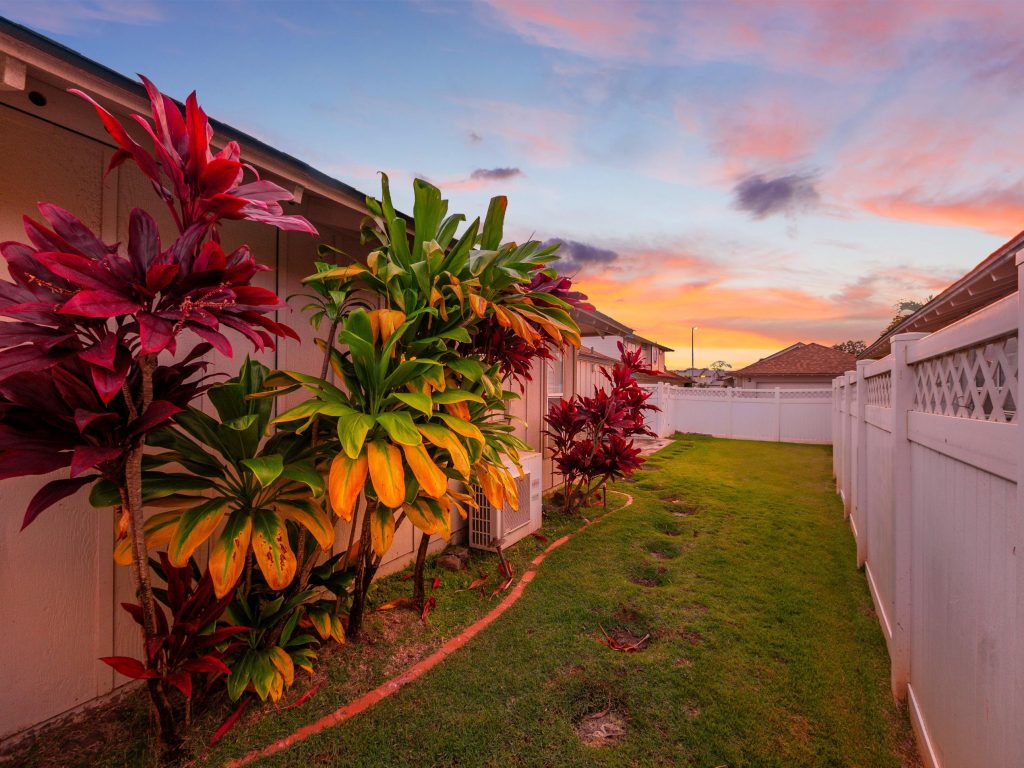
A privacy fence remains one of the most effective ways to create a secure outdoor space. Solid fencing blocks direct views into your yard while establishing a clear property boundary.
Wood fences offer a timeless appearance and can be painted or stained to match your home’s style. Vinyl fencing provides low maintenance and long-lasting durability, while composite materials combine attractive looks with weather resistance.
Choose a fence height that complies with local regulations while providing adequate screening. Gates should also include secure latches to help prevent unauthorized access.
Regular maintenance ensures your fence continues providing both privacy and protection for years to come.
Popular fencing materials include:
- Wood
- Vinyl
- Composite
- Aluminum with privacy panels
- Bamboo fencing
Plant Living Privacy Screens
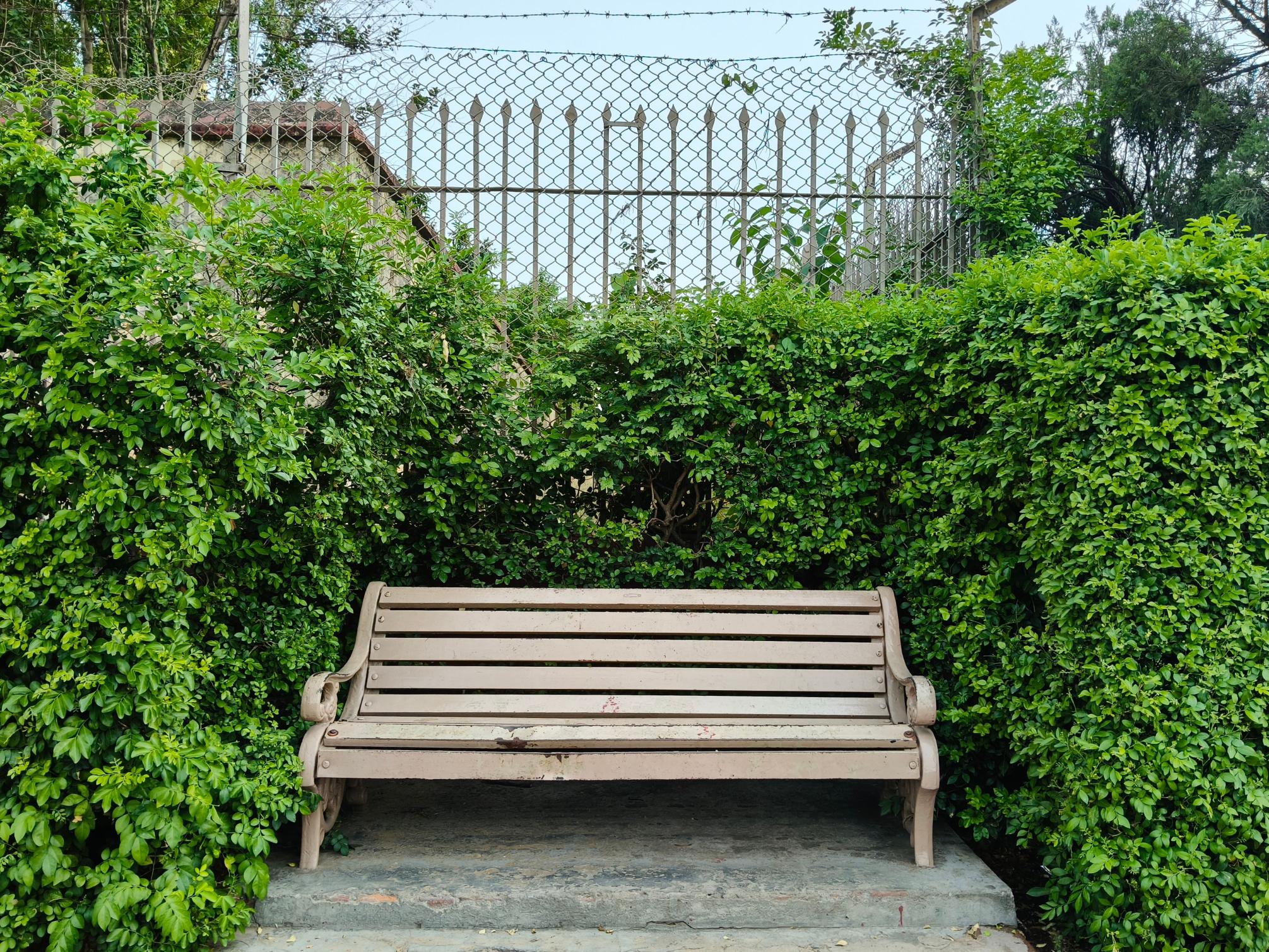
Landscaping provides a softer alternative to traditional fencing. Trees, shrubs, and tall ornamental grasses can create beautiful natural barriers while adding greenery to your yard.
Evergreen trees offer year-round screening because they retain their foliage throughout every season. Arborvitae, holly, and certain varieties of cypress are popular choices for residential privacy.
Layering plants of different heights creates a fuller screen while adding visual depth to the landscape. Flowering shrubs and climbing vines can also introduce seasonal color without reducing privacy.
Natural screening blends seamlessly into most outdoor environments.
Plants commonly used for privacy include:
- Arborvitae
- Holly
- Bamboo
- Boxwood
- Cypress
- Ornamental grasses
Add Pergolas and Covered Structures
Pergolas, gazebos, and covered patios provide partial privacy while creating inviting outdoor living spaces. These structures define gathering areas and make backyards feel more comfortable throughout the year.
Adding outdoor curtains, lattice panels, or climbing vines to a pergola increases privacy while maintaining airflow and natural light.
Covered structures also offer shade during hot weather, making patios more enjoyable for dining, relaxing, or entertaining guests.
When combined with comfortable seating and landscaping, these features create outdoor rooms that feel like natural extensions of your home.
Ways to enhance pergolas include:
- Outdoor curtains
- Climbing vines
- Lattice panels
- Hanging plants
- String lighting
Use Decorative Privacy Panels
Privacy screens don’t always need to cover an entire yard. Decorative panels can create privacy around patios, hot tubs, outdoor kitchens, or seating areas while serving as attractive design elements.
Available in wood, composite, metal, and weather-resistant materials, decorative screens come in many modern and traditional patterns.
Freestanding panels also offer flexibility because they can be repositioned as your outdoor layout changes over time.
Using smaller privacy features strategically often provides excellent results without requiring major construction.
Decorative screens work well for:
- Patios
- Outdoor dining areas
- Hot tubs
- Fire pit seating
- Garden spaces
Improve Security With Outdoor Lighting
Privacy alone does not create a secure backyard. Proper lighting helps improve visibility while discouraging unwanted activity around your property.
Motion-activated lights near gates, fences, garages, and walkways alert homeowners when movement occurs while also making it easier to navigate safely at night.
Soft landscape lighting around patios and gardens creates an inviting atmosphere without producing excessive glare. Solar-powered lights provide an energy-efficient solution for many areas.
A balanced lighting plan improves both security and outdoor enjoyment.
Useful outdoor lighting includes:
- Motion sensor lights
- Pathway lights
- Solar lighting
- Deck lighting
- Fence lighting
Create Separate Outdoor Zones
Large backyards often feel more private when divided into multiple functional areas rather than leaving one wide-open space.
Use landscaping, planters, pergolas, low walls, or decorative screens to create separate spaces for dining, relaxing, gardening, and children’s play.
These defined zones naturally reduce direct sightlines while making the yard feel larger and more organized. They also encourage family members to use different parts of the outdoor space throughout the day.
Thoughtful layouts improve both comfort and functionality.
Popular backyard zones include:
- Outdoor dining
- Fire pit area
- Garden
- Children’s play space
- Reading nook
- Vegetable garden
Choose Privacy Features That Enhance Style
Privacy improvements should complement your home’s overall design instead of appearing like afterthoughts.
Matching fence colors with exterior trim, coordinating landscaping with architectural features, and selecting attractive outdoor furniture help create a cohesive appearance.
Well-designed privacy upgrades often contribute to making your home feel more luxurious by creating outdoor spaces that resemble private retreats. Comfortable seating, decorative planters, quality lighting, and carefully selected materials all work together to create a welcoming atmosphere.
Combining beauty with function allows your backyard to become one of the most enjoyable areas of your property.
Design elements to coordinate include:
- Fence color
- Outdoor furniture
- Landscaping
- Lighting
- Planters
- Decorative accessories
Keep Privacy Features Well Maintained
Even the best privacy improvements require regular maintenance. Damaged fencing, overgrown landscaping, broken gates, or leaning privacy panels can reduce both appearance and security.
Inspect fences annually for loose boards, rust, rot, or storm damage. Trim shrubs regularly to maintain healthy growth while preventing them from blocking walkways or security lighting.
Routine maintenance also helps identify developing problems before they become expensive repairs.
A well-maintained backyard continues providing privacy while protecting your investment.
Regular maintenance tasks include:
- Inspect fences
- Repair loose hardware
- Trim shrubs
- Clean outdoor structures
- Check gate latches
- Replace damaged boards
Address Repairs Before Adding New Features
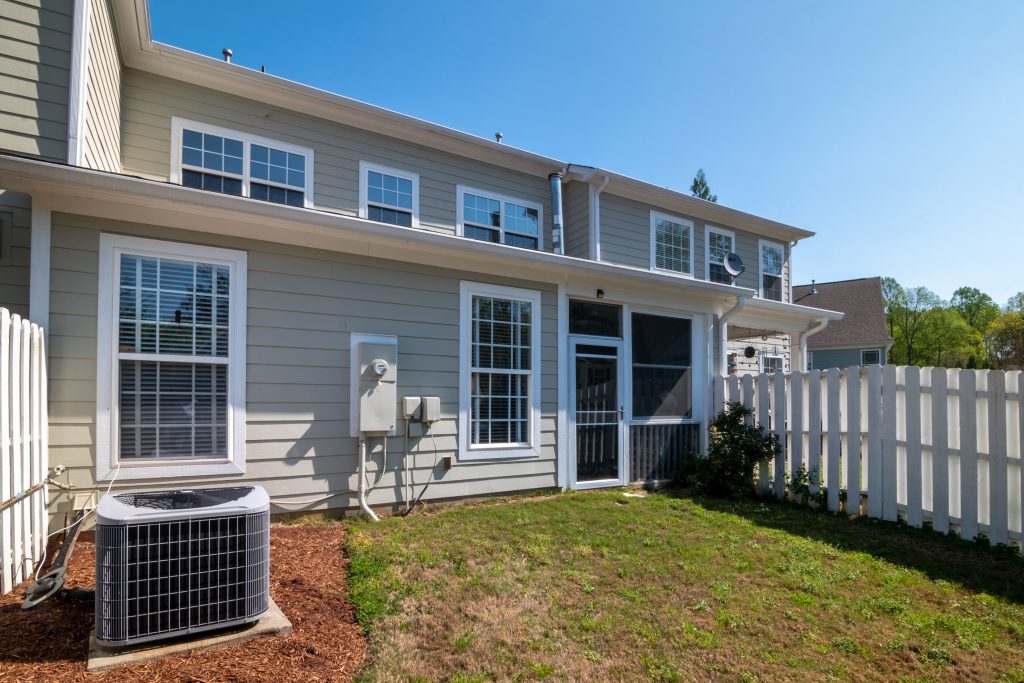
Before investing in decorative upgrades, evaluate your backyard for existing maintenance issues. Repairing damaged fences, uneven walkways, deteriorating decks, or drainage problems should generally take priority.
Many homeowners begin planning essential home repairs by inspecting outdoor spaces because weather exposure often causes gradual wear over time. Fixing structural problems first creates a safer foundation for future landscaping and privacy improvements.
Addressing repairs early also helps prevent new installations from being damaged by unresolved issues.
Building on a solid foundation ensures longer-lasting results.
Inspect these outdoor features first:
- Fences
- Gates
- Decks
- Patios
- Walkways
- Drainage systems
Combine Privacy With Smart Technology
Modern technology can further improve backyard security while complementing physical privacy features.
Video doorbells, outdoor security cameras, smart floodlights, and remote-controlled lighting systems allow homeowners to monitor activity even while away from home.
Some systems integrate with mobile apps, providing real-time notifications whenever motion is detected. Visible security devices can also discourage trespassing.
Technology works best when combined with strong physical barriers such as fencing, gates, and landscaping.
Layering multiple security measures creates a more comprehensive approach.
Helpful smart security features include:
- Outdoor cameras
- Video doorbells
- Smart floodlights
- Motion alerts
- Remote monitoring
- Smart locks for gates
Final Thoughts
Creating a private backyard is about more than blocking outside views. The right combination of fencing, landscaping, lighting, outdoor structures, and thoughtful design transforms your yard into a comfortable space where you can relax with greater peace of mind.
Every property is different, so the best solution often combines several privacy features rather than relying on just one. Natural plantings soften hardscape elements, decorative screens create intimate gathering areas, quality fencing defines boundaries, and smart lighting improves security after dark.
Whether you’re making a few small improvements or planning a complete backyard makeover, prioritizing both privacy and safety will help you create an outdoor space that serves your family well for many years. With careful planning and regular maintenance, your backyard can become a secure retreat that offers comfort, beauty, and lasting value.
About the Author